Introduction
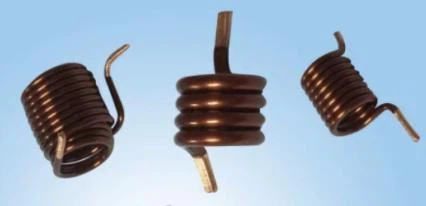
An automatic flat wire inductor winding machine is a machine that is used to wind inductors automatically. Inductors are electronic components that are made up of a coil of wire and are used to store and release energy in the form of a magnetic field. They are used in a variety of electronic devices, including but not limited to transformers, power supplies, and filters.
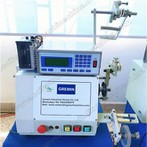
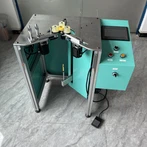
In this article, we will discuss the technical knowledge of an automatic flat-wire inductor air core winding machine. We will highlight the various components of the machine, how they work, and the advantages of using this machine.

Components of an Automatic Flat Wire Inductor Winding Machine
An inductor winding machine comprises several components that work together to produce quality flat-wire inductors. These components include:
1. Winding Head
The winding head is the component of the machine that rotates and carries the spool of flat wire. It is responsible for winding the flat wire around a mandrel to create an inductor. The winding head comprises two main parts: the mandrel and the wire guide. The mandrel is used to hold the flat wire while the wire guide is used to ensure that the wire is wound tightly around the mandrel.
2. Wire Tensioner
The wire tensioner is responsible for ensuring that the flat wire is wound tightly around the mandrel. It controls the speed at which the wire is wound and the amount of tension applied to the wire.
3. Wire Feeder
The wire feeder is responsible for feeding the flat wire from the spool to the winding head. It is important that the wire is fed smoothly and consistently to ensure that the inductor is wound accurately.
4. Control System
The control system of the inductor winding machine is responsible for controlling the machine's various functions. It comprises a digital control interface, a servo motor, and sensors. The digital control interface allows the operator to input the mandrel size, number of turns, and other settings to produce the desired inductor. The servo motor controls the speed at which the mandrel rotates, while the sensors ensure that the flat wire is wound accurately.
How the Automatic Flat Wire Inductor Winding Machine Works
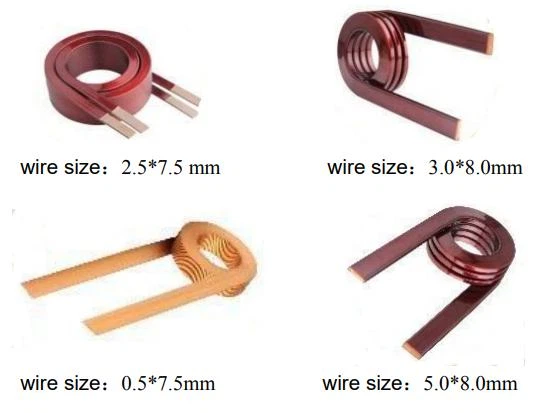
The automatic flat-wire winding machine works by rotating a mandrel and winding a flat wire around it. The machine is designed to wind inductors quickly and accurately, and it does so by performing the following steps:
1. Setup
The operator of the machine inputs the desired inductor specifications into the digital control interface. These specifications include the number of turns, wire thickness, and mandrel size.
2. Wire Feeding and Tensioning
The machine feeds the flat wire from the spool and applies tension to the wire to ensure that it is wound tightly around the mandrel.
3. Winding
The winding head rotates to wind the flat wire around the mandrel. The machine's control system ensures that the wire is wound accurately and according to the operator's specifications.
4. Finishing
Once the winding is complete, the machine cuts the wire and removes the inductor from the mandrel. The inductor is then inspected for quality, and any defects are corrected.
Advantages of Using an Automatic Flat Wire Inductor Winding Machine

1. Increased Efficiency
The automatic flat wire inductor winding machine increases efficiency by automating the process of winding inductors. This reduces the time and labor required to produce inductors, allowing manufacturers to produce more inductors in a shorter amount of time.
2. Improved Accuracy
The machine's control system ensures that the flat wire is wound accurately and precisely, according to the operator's specifications. This results in consistent, high-quality flat-wire inductors.
3. Lower Costs
Using an automatic flat-wire inductor winding machine reduces labor costs and increases production efficiency, resulting in lower manufacturing costs. This allows manufacturers to produce inductors at a lower cost, making their products more competitive in the market.
4. Flexibility
The machine's digital control interface allows operators to input different specifications for different types of inductors, making it a flexible solution for various inductor winding needs.
Conclusion
The automatic flat-wire inductor winding machine is an essential tool for any electronics manufacturer that produces inductors. It increases efficiency, improves accuracy, and reduces costs, making it an excellent investment for any company. By understanding the technical knowledge of this machine, manufacturers can utilize it to its full potential and produce high-quality flat-wire inductors that meet the demands of the market.