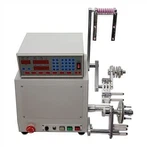
An automatic transformer taping machine is a highly specialized piece of technology that is used in the electrical engineering industry for the manufacturing of transformers. This machine is specially designed to simplify the process of winding transformers by wrapping copper wire around the core of the transformer. The machine can handle large volumes of copper wire and is used to provide a consistent and reliable winding pattern that ensures the optimum performance of the transformer.
The design of the semi-automatic transformer taping machine incorporates many technical features that are essential to its operation. These features include:
1. Wire Feeding Mechanism
The wire feeding mechanism on the taping machine is responsible for ensuring a smooth and continuous flow of copper wire during the winding process. The wire feeding mechanism is designed to accommodate different spool sizes and thicknesses, making it flexible and adaptable to different types of transformers. The feeding mechanism is usually controlled by a microprocessor that monitors the speed and tension of the wire to ensure accuracy and consistency in the winding process.

2. Taping Head
The taping head is the core component of the automatic transformer taping machine. It is responsible for applying the copper wire around the transformer core in a consistent and symmetrical pattern. The taping head is designed to accommodate different winding patterns, including layer winding and helical winding. The head is mounted on a precision slide that allows for smooth and accurate movement across the length of the core.
3. Taping Speed Control
The taping speed control on the machine is an essential feature that enables the operator to control the speed of the taping head. The control is usually a simple dial that allows for easy adjustment of the speed based on the requirements of the specific transformer being wound. This feature is critical because it determines the quality and consistency of the winding, ensuring that the transformer performs optimally.
4. Tension Control
Tension control is a critical feature of the bobbin transformer-taping machine. It ensures that the copper wire is applied to the core of the transformer with the right amount of tension. The tension control is adjustable and can be set to accommodate different types of copper wire used in the winding process. The feature is designed to prevent the wire from sagging or bunching, which would result in an uneven winding pattern and affect the performance of the transformer.
5. Control Panel
The control panel is the main interface of the transformer-taping machine. It is a user-friendly panel that displays the various controls and settings of the machine. The panel includes control switches, a speed dial, a tension control dial, a wire guide, and various warning indicators. The control panel is intuitive and easy to use, allowing the operator to set up and control the machine with minimal training.

6. Safety Features
Safety features are an essential aspect of the automatic transformer taping machine. The machine is equipped with various safety features to ensure the safety of the operator and the machine itself. Some of the safety features include emergency stop buttons, safety barriers, and warning signals. The machine is also designed to shut down if it detects any abnormal vibration or other mechanical issues.
The automatic bobbin transformer taping machine is an essential piece of technology in the transformer manufacturing process. It simplifies and streamlines the winding process, ensuring that the resulting transformers meet the required specifications and perform optimally. The machine is designed with various technical features that guarantee accuracy, consistency, and safety in the winding process. Overall, the automatic transformer taping machine is an essential tool that enables the production of high-quality transformers in an efficient and cost-effective manner.