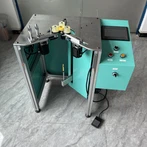
A transformer parallel winding machine is a vital technology solution for the electrical industry. It is an advanced machine used for winding transformers in a parallel manner. A transformer parallel winding machine is equipped with essential features and functions that make the process more efficient, effective, and precise. This article aims to provide technical knowledge on the transformer parallel winding machine and its applications in the industry.
Transformers are essential components in the electrical industry, which transform electrical energy from one device to another through magnetic induction. Parallel winding is a process in which two or more winding strands are wound in a parallel fashion across a single core. The transformer parallel winding machine utilizes advanced technology to wind multiple strands of copper wire onto a transformer core that ensures proper insulation and wire alignment.
|
Model |
GW-9750 |
Spindle |
1 |
|
Wire diameter |
0.1-0.5 |
Spindle motor |
500W/DC |
|
Wire spacing |
0.001-9.999MM |
Max. speed |
900 RPM |
|
Spreading Motor |
Stepper motor |
Size |
400*450*1100 |
|
Power supply |
AC 220V 50/60HZ |
Weight |
45 |

The parallel winding machine requires a certain level of technical skill and knowledge from its user. One of the critical components of the machine is the tension control system. The tension controls ensure that the wire is wound with constant pressure as it moves along the winding process. It prevents the wire from slipping or becoming loose, thereby ensuring uniformity in the winding process. Additionally, the transformer parallel winding machine is equipped with a wire guide system that ensures proper wire alignment, and proper insulation and avoids wire crossovers.
The machine's computerized control system is a significant feature that makes the transformer winding machine highly productive. The computerized system makes it possible to calibrate the machine's settings, reducing the operator's manual input. The machine software allows for the programming of different winding patterns, such as zigzag or interleaved winding, making it possible to create customized transformer core designs. The computerized system also records important winding data that can be used for production process analysis and to fine-tune the machine's performance.
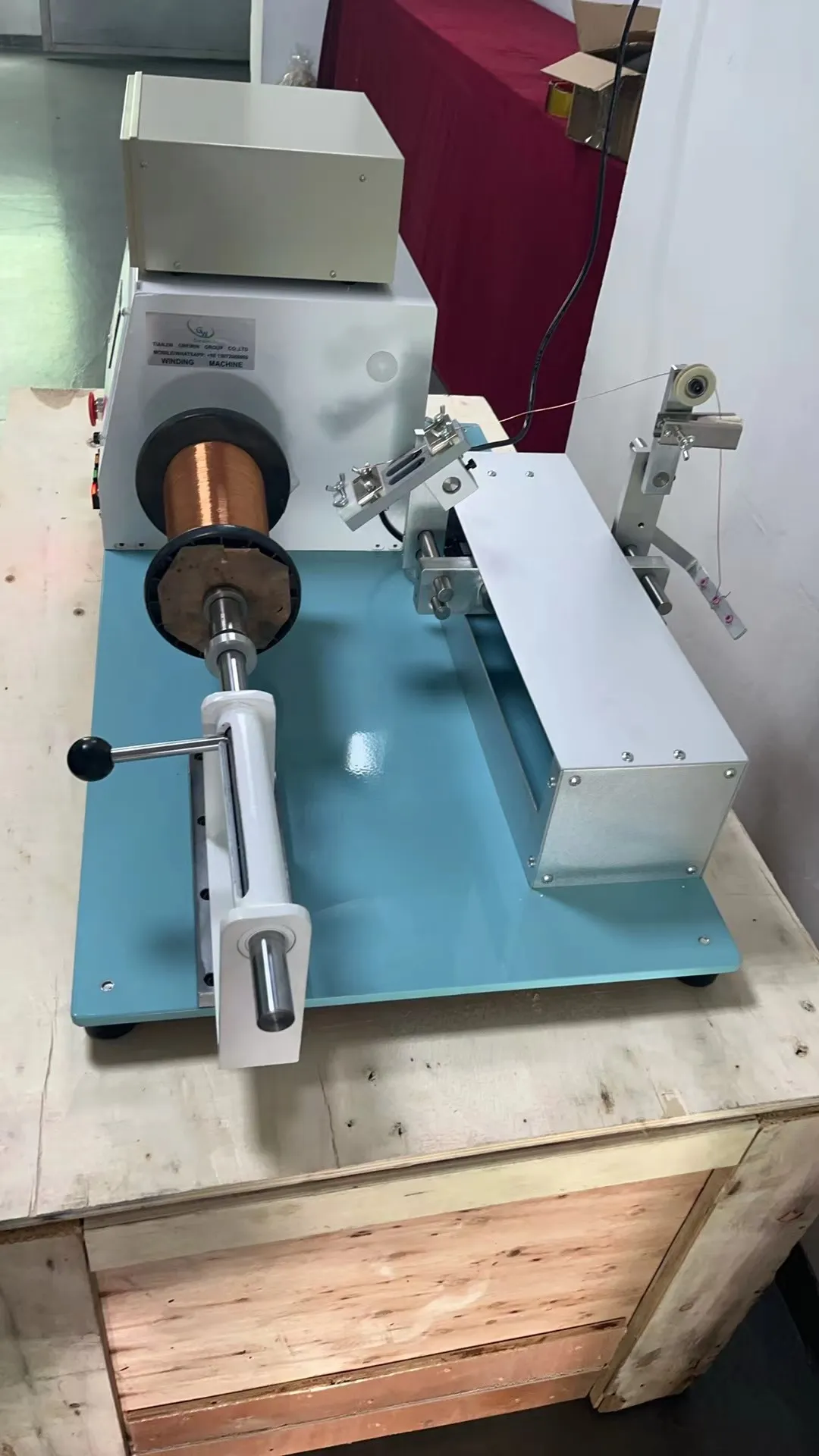
One of the significant benefits of a spool bobbin winding machine is the increased productivity and cost-effectiveness. With the machine's ability to wind multiple strands of copper wire simultaneously, the transformer's winding process is significantly faster and more efficient. Additionally, the machine's precision and accuracy reduce the waste of materials, reducing production costs. The parallel winding process results in a more uniform wire alignment and insulation, leading to improved transformer performance.
Another advantage of the automatic winding machine is its versatility. It can be used for different transformer core designs, wire gauges, and insulation materials, making it an ideal solution for various transformer applications. The machine's computerized software also makes it easy to adjust for different transformer specifications, making it possible to produce a wide variety of transformers with the same machine.

Safety is critical in the transformer winding process, and the inductor winding machine is designed with safety features to ensure the operator's safety. The machine's wire guide system and tension controls reduce the risk of wire jamming, which could result in personal injury. Additionally, the machine's software can be programmed to stop the winding process in case of an emergency or unexpected interruption during the process.
In conclusion, the transformer parallel winding machine is a crucial technology solution for the electrical industry. It offers an efficient, precise, and cost-effective solution for transformer winding. The machine's computerized control system, wire guide system, tension controls, and safety features make it an essential asset for transformer manufacturing. In short, the transformer parallel winding machine is the epitome of technological advancement, and its application in the transformer industry is vital in the race for innovation in the electrical industry.