Introduction
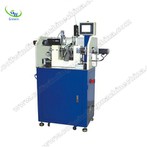
Wire welding semi-automatic soldering machines are widely used in various industries to join two or more metal pieces together. The machines use a combination of heat and filler metal, which is fed through a wire, to create a strong bond between the metal pieces. Understanding the technical knowledge required to operate a semi-automatic soldering machine is essential for ensuring high-quality and safe soldering of metal pieces.
Safety Precautions
Before starting to operate the wire welding machine, it is important to adhere to safety precautions. Safety precautions include wearing the appropriate protective gear such as gloves, safety glasses, and face shields to prevent injuries from hot metal and welding sparks. It is also important to ensure that the workspace is adequately ventilated to prevent inhalation of harmful fumes.
Equipment and Material
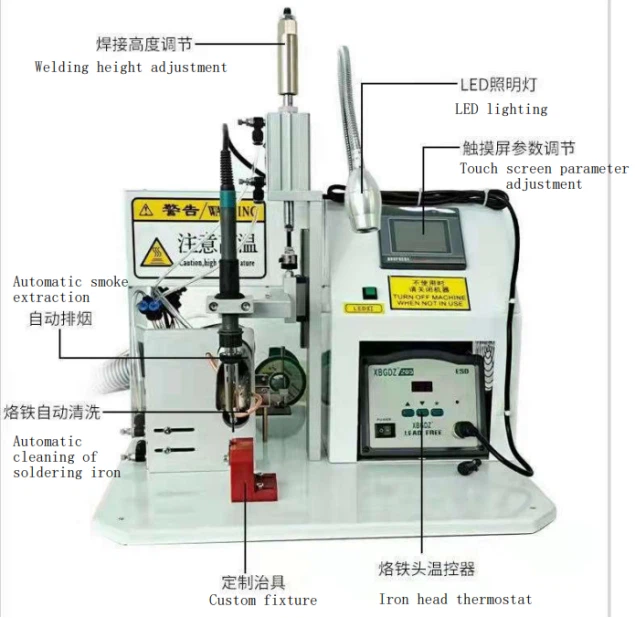
The wire welding machine requires specific equipment and materials before use. The equipment includes the welder, wire, filler metal, base material, electrical power supply, welding gas, and a wire feeder. The wire feeder is mounted on the welder and controls the delivery of wire to the solder puddle. The type of wire and filler metal used will depend on the material being welded, the desired strength of the joint, and the diameter of the wire.
Understanding the Welding Process
The semi-auto soldering machine works by feeding the wire and filler metal into the welding area, where it is melted by an electric arc. The melted metal cools and solidifies around the base material, forming a strong bond between the two metal pieces. The wire feeder controls the delivery of wire, which is melted at the tip, creating a small puddle of molten metal that spreads across the metal joint.
Setting Up the Machine
Before starting to use the wire welding semi-automatic soldering machine, it is essential to set it up correctly. The first step is to check the machine's voltage, ensure it is at the correct setting, and that the electrical supply meets the machine's requirements. The wire feeder should be mounted on the welder, and the wire threaded through the nozzle and connected to the wire feeder motor. The nozzle and contact tip should be correctly installed according to the wire diameter.
Operating the Machine
Once the machine is set up correctly, it is time to start using it. The operator should position themselves in a comfortable and safe position, check that the protective gear is in place and that the workspace is well-ventilated. The operator should also position the metal pieces being welded together, ensuring they are clean and free from grease or oil.
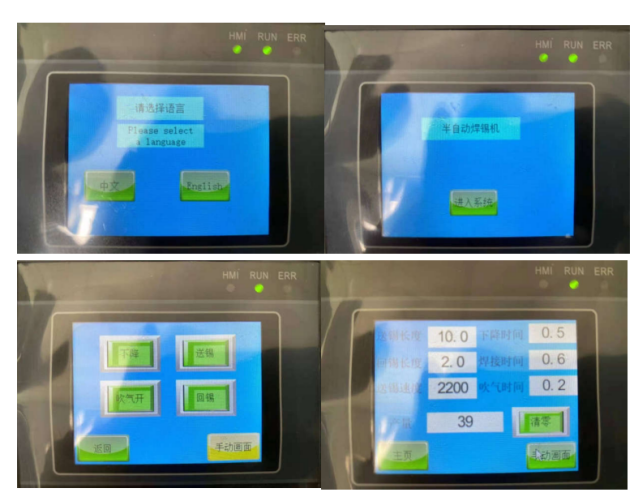
The operator should then hold the torch in a comfortable position and activate the trigger to start the electric arc. The wire feeder will start to feed the wire and filler metal into the welding area, creating a molten pool of metal that joins the two pieces of metal together. The operator should move the torch in a steady, circular motion, ensuring the puddle of molten metal is the correct size, and the base material is heated adequately.
Maintaining the Machine
Regular maintenance of the wire welding semi-automatic soldering machine is essential to ensure it continues to operate correctly. Maintenance includes cleaning the wire feed system, checking and replacing the nozzle and contact tips if necessary, and repairing any damaged parts. Regular checks of the electrical supply, gas supply, and wire feeder motor should also be carried out.
Conclusion
Wire welding semi-automatic soldering machines are an essential tool for various industries, including construction, automotive, and manufacturing. Understanding the technical knowledge required to operate these machines is essential for ensuring high-quality, safe soldering of metal pieces. Adhering to safety precautions, using the correct equipment and material, understanding the welding process, setting up the machine correctly, and regular maintenance are all essential for successful wire welding.