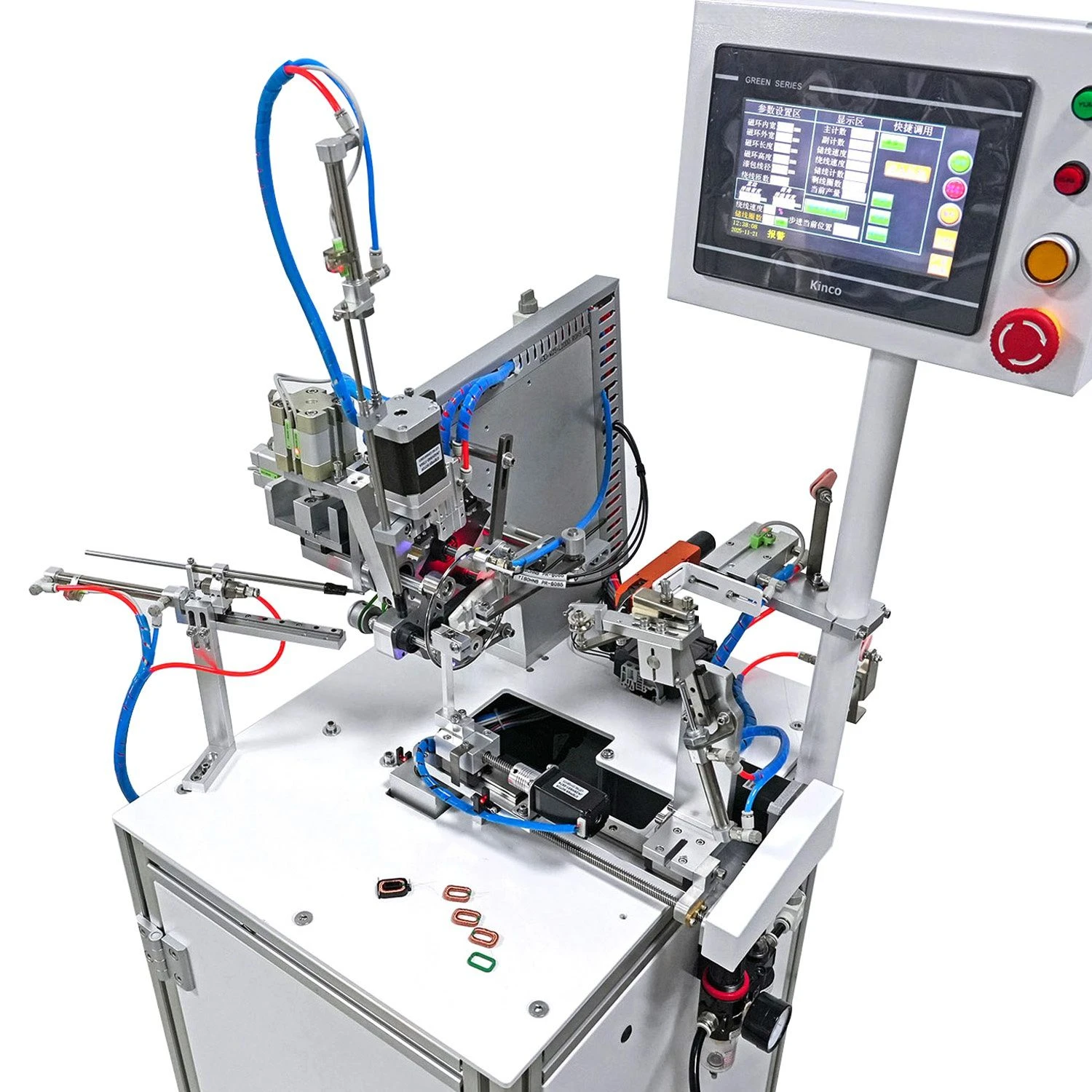
Real Production Site Faults & Maintenance Guide for Slider-Type Fully Automatic Toroidal Coil Winding Machine
Learn real‑world common failures of automatic toroidal coil winders from the transformer factory floor, plus practical troubleshooting & preventive maintenance advice to reduce unexpected downtime.
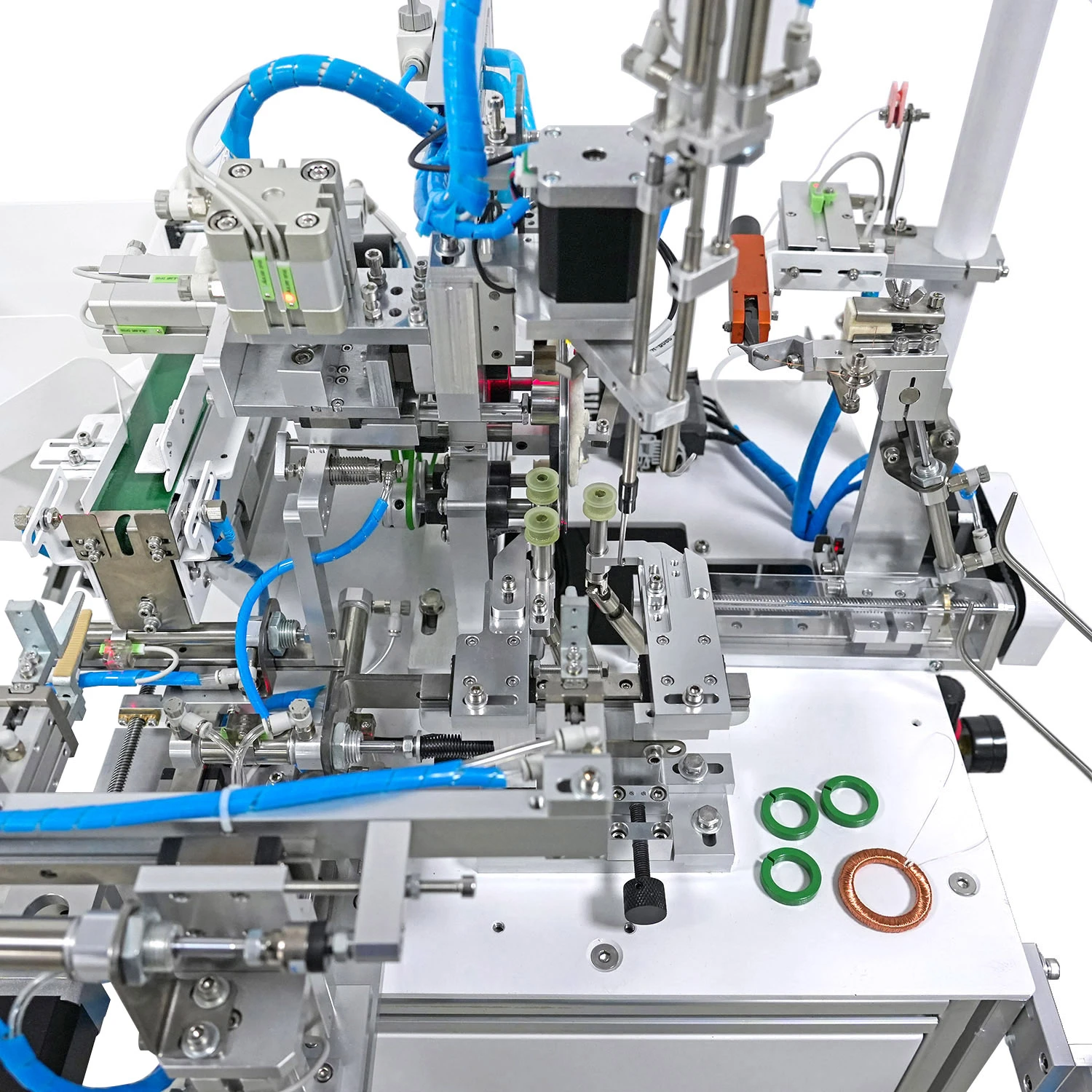
Automatic toroidal coil winding machines are core capital equipment for toroidal transformer and common‑mode‑inductor factories.
A lot of machine failures only occur under continuous mass‑production conditions and cannot be replicated in laboratory testing.
Based on hundreds of genuine after‑sales service cases of GW‑7004 & GW‑7005 slider‑type toroidal winders, we sort out typical real‑world faults, root‑cause analysis, and preventive‑maintenance tips for production‑floor technicians.
Mechanical-Wear Related Real‑World Failures
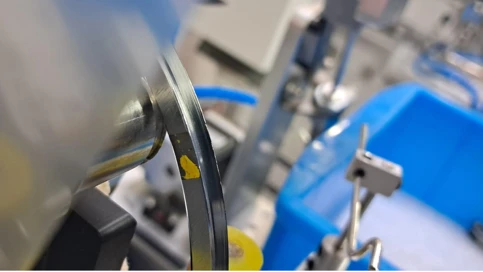
Shuttle Yellow Sensing‑mark Abrasion
The yellow paint marker on the shuttle (wire‑storage ring) is a critical position reference for the photoelectric sensor. After thousands of high‑speed rotations, paint will gradually wear away. Once the mark disappears, the sensor cannot capture the position signal, generating "Opening not found" or cylinder‑retraction incomplete alarms.
✅ Maintenance Tip: Check the shuttle mark in each shift‑handover inspection. Re‑paint using the dedicated marker pen supplied with the machine; avoid hard scratches after the paint is fully dried.
Slider Premature Wear
The slider belongs to the key wearing consumable parts. One overseas customer case showed the slider malfunctioned after only 4,615 production pieces. The symptom is shuttle stops after several wire‑storage turns, which is often mis‑diagnosed as sensor fault. After slider replacement, the machine resumes normal running.
✅ Maintenance Tip: Record finished‑product quantity after slider replacement. Prepare spare sliders in workshop inventory for a fast swap; do not wait until complete failure occurs. Besides sensor adjustment, always double‑check mechanical fitting tightness.
Unexpected Slider Closing (GW‑7005 frequent issue)
During opening movement, the slider closes suddenly and interrupts the wire‑loading sequence. Two verified real‑world causes: shuttle‑ring assembly loose, or cylinder mechanical collision pushing the slider.
✅ Maintenance Tip: Tighten shuttle locking screws; fine‑tune cylinder retracting stroke to eliminate mechanical interference.
Sensor & Electrical‑Signal Faults From Shop‑floor Cases
Almost half of unexpected machine halts are related to sensors: through‑beam sensors, cylinder magnetic sensors, and edge‑detection sensors. Vibration, copper‑powder dust, oil contamination, and cable fatigue are top‑rank causes.

Common symptoms: intermittent random alarms, unstable triggering.
✅ Practical troubleshooting workflow summarized from real repair cases:
1. Clean sensor lens using a soft, dry cloth; remove copper powder, enamel‑paint dust, and oil stains.
2. Check mounting‑screws: machine vibration will gradually loosen sensor brackets after long-term operation.
3. Observe indicator LED status when target passes detection zone; re‑adjust sensing distance if LED response is abnormal.
4. For a damaged through‑beam transmitter head: cut power and release air pressure first, follow the illustrated manual to replace the transmitter head, strictly match blue‑to‑blue and brown‑to‑brown wiring, and seal joints with electrical tape.
Important safety reminder: All wiring‑modification work must be done under power‑off & pressure‑release conditions.
Scrap‑Copper‑Wire & Unloading Abnormality (High‑frequency customer tickets)
Two very common complaints from mass‑production workshops: wound core cannot drop off; waste‑copper fragments trigger false differential‑coil error.
1. Finished core unloading failure
Root‑cause found on‑site: clamping claws hold core too tight. The solution is adjusting the clamping‑claw limit‑screw to release enough clearance for finished‑core drop‑off.
2. Sticky scrap‑copper‑wire causes false differential‑coil alarm (3×3 shuttle GW‑7004)
Thin leftover copper wire sticks to the scrap‑removal unit. When the mechanism moves upward, the sensor detects scrap wire and throws a fault code, stopping production.
✅ Two‑step fix from a real case:
‑ Manually clean residual copper scraps regularly.
‑ Modify HMI parameter: `Extend the thread removal cylinder after the remaining X turns`; change the value to 3 to add extra scrap‑stripping movement.
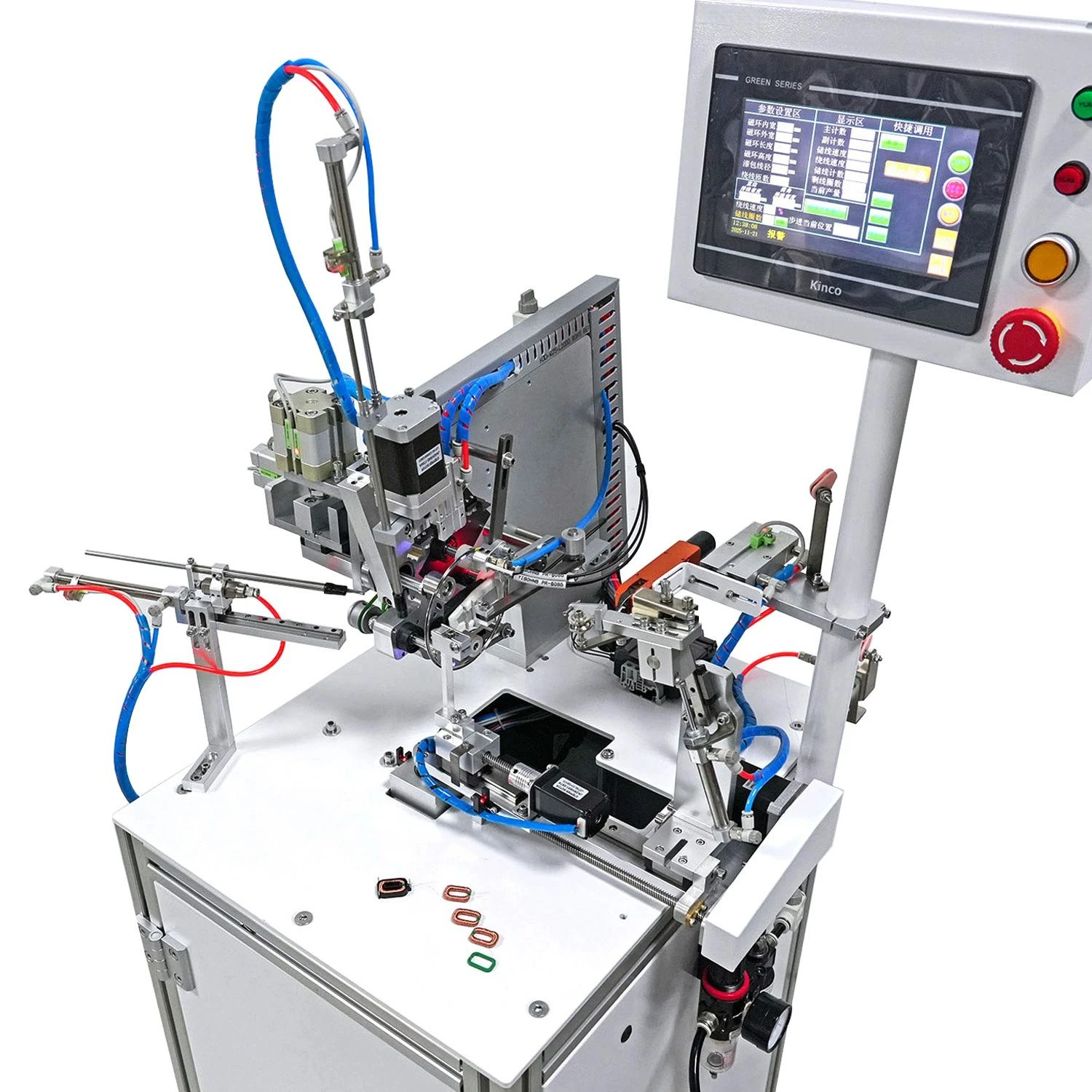
Wire‑Cut & Wire‑Hanging Intermittent Failure
Intermittent wire‑cut fault happens in repeating winding cycles. Customer feedback also mentioned the press‑wire‑unit cannot fully retract, so the copper wire cannot be held properly.
Root‑causes verified from after‑sales records:
‑ Enamel‑paint residue and burr accumulate inside the shuttle inner groove.
‑ Wool felt clamping force becomes loose.
‑ Guide‑pin position offset leads the wire to miss the slider groove.
✅ Preventive actions: Periodically clean the shuttle slot with a scraper tool; check wool‑felt tightness; calibrate guide‑pin alignment; verify wire‑tension setting.
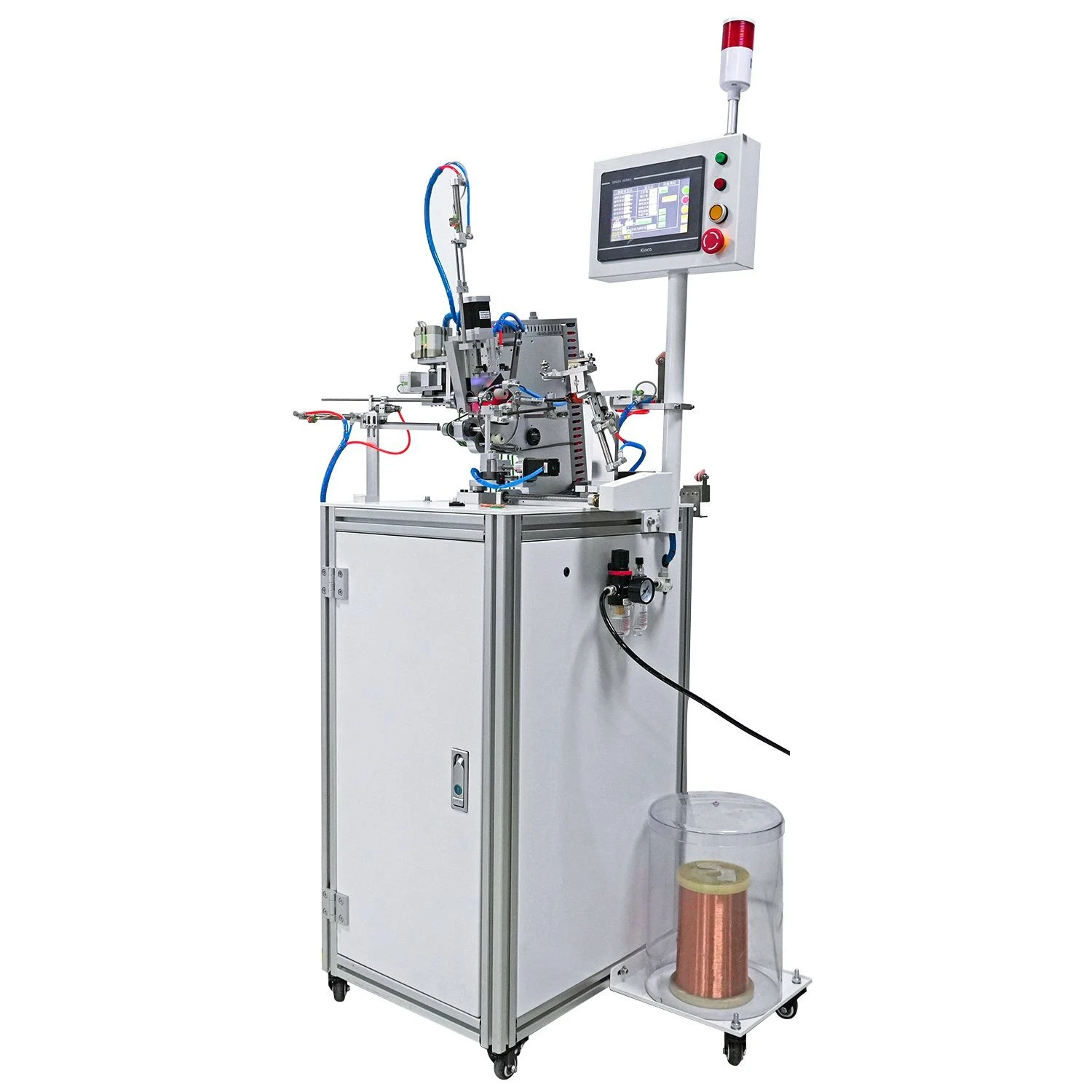
Daily Preventive‑Maintenance Checklist (Summarized From Real After‑sales Cases)
Carry out the checks below in every production shift to cut down unplanned downtime:
1. Wipe copper powder and dust away from sensor lenses and moving mechanical components.
2. Confirm air pressure remains stable at 0.5‑0.7 MPa; inspect air‑tube joints for air leakage.
3. Listen for abnormal noise or vibration in idle‑running state.
4. Inspect the condition of key wearing parts: shuttle yellow mark, slider, wool felt, guide pin.
5. Regularly back‑up winding program data to a USB flash disk to avoid parameter‑loss risk.
Even with thorough preventive maintenance, complex failures can still occur. When problems go beyond manual guidance, contact your equipment supplier for remote technical support or on‑site service.