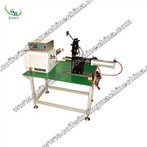
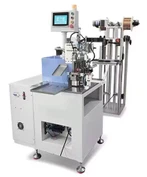
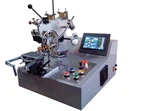
EI lamination machines are an essential technology used in the production of transformers, motors, and generators. These machines are used to create laminations, which are thin sheets of metal that are stacked together to form the core of these electrical components. The core is then wound with wire to create an electromagnetic field, which is used to convert electrical energy into mechanical energy or vice versa. In this article, we will explore the technical knowledge required to operate an EI lamination machine.
1. Understanding the Core Production Process
The core production process for a Manual EI insert machine involves several steps. First, the machine is set up with the required tooling for the specific core design. Next, the steel sheet is fed into the machine, and the blades are used to cut it into the desired shape. The cutting process must be precise, as any imperfections can affect the performance of the core. The laminations are then stacked together in the desired configuration and bonded using a varnish or adhesive. The final step involves pressing the core to remove any air pockets and ensure a tight fit between the laminations.
2. Familiarizing with Materials Used
The materials used in the production of EI laminations are typically high-grade electrical steel sheets, with silicon content ranging between 0.5% to 5%. The steel sheets are available in different thicknesses, ranging from 0.5 mm to 0.35 mm, with thinner sheets used for higher-frequency applications. The sheets are designed with a specific grain orientation to minimize core losses and optimize magnetic performance. The grain orientation also helps to reduce noise and vibration generated by the core during operation.
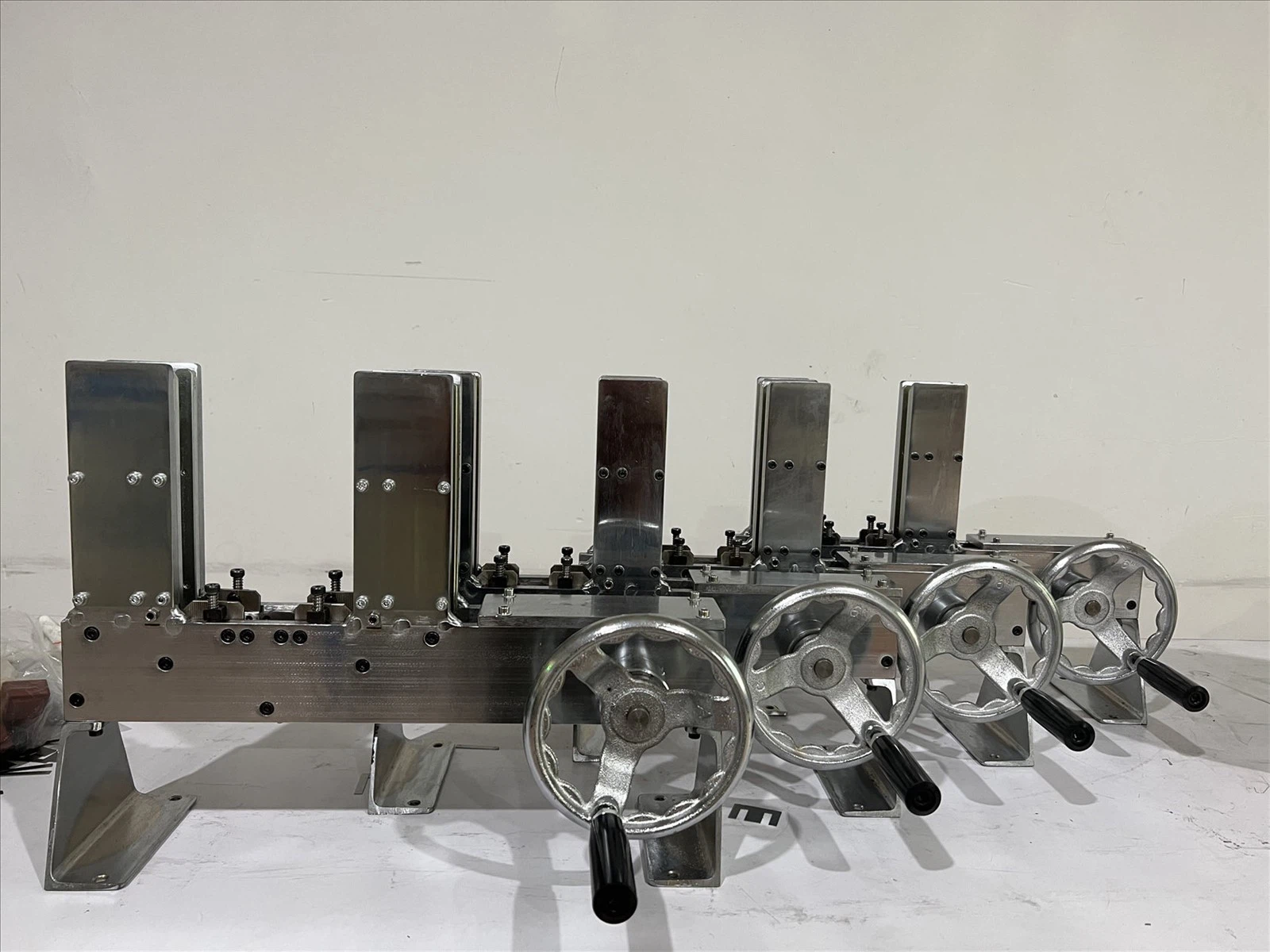
3. Knowledge of Machine Components
The Semi-Automatic E I Inserter Stacking Machine consists of several key components, including the feeder mechanism, cutting tools, stacker unit, bonding mechanism, and pressing unit. The feeder mechanism is used to feed the steel sheets into the machine, while the cutting tools are responsible for cutting the sheets into the desired shape. The stacker unit is used to stack the laminations in the desired order, while the bonding mechanism ensures that the laminations are securely bonded together. The pressing unit is then used to press the core to remove any air pockets and ensure a tight fit between the laminations.
4. Understanding the Importance of Core Losses
Core losses are a critical consideration when designing EI laminations. The core loss refers to the amount of energy that is dissipated as heat when the core is magnetized. This energy loss can affect the efficiency of the electrical component and can result in overheating and premature failure. As such, the design of the core must aim to minimize core losses while optimizing magnetic performance.
5. Familiarizing with Design Considerations
The design of an EI lamination must consider several factors, including the required size, shape, and configuration of the core. The design must also consider the frequency and power requirements of the electrical component. A higher frequency requires a thinner sheet thickness, while a higher power rating requires a larger cross-sectional area. The core design must also consider the magnetic flux density and the core losses to ensure optimal efficiency.
6. Knowledge of Testing and Quality Control Standards
EI laminations must undergo rigorous testing and quality control measures to ensure optimal performance and reliability. These tests include measures of magnetic performance, core losses, and dimensional accuracy. The laminations must also be inspected for any defects or imperfections, which could affect the performance of the electrical component. The quality control standards for EI laminations are dictated by regulatory bodies such as the International Electrotechnical Commission (IEC) and quality control organizations like ISO.
Conclusion
In conclusion, E I Inserter Stacking Machine are an essential technology used in the production of transformers, motors, and generators. The technical knowledge required to operate these machines encompasses an understanding of the core production process, materials used, machine components, core losses, design considerations, and testing and quality control standards. By understanding these key areas, operators can produce high-quality EI laminations that meet the stringent requirements of electrical component manufacturers.