Introduction
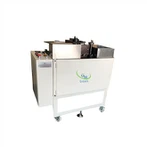
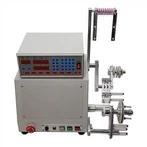
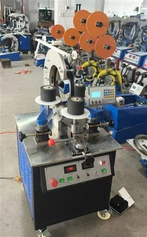
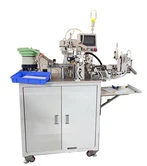
A micro toroidal winding machine is a high-precision machine that is used to wind small toroids for use in a variety of applications. These machines are designed to create toroid-shaped coils that have a high level of accuracy and precision, and they are commonly used in industries such as electronics, telecommunications, and medical devices.
In this article, we will explore the technical knowledge related to mini-core winding machines. We will discuss the components of the machine, the benefits of using a transformer, and the different types of coils that can be produced using this technology. We will also cover the safety precautions that should be taken when operating a transformer winding machine, as well as the maintenance and troubleshooting procedures that are necessary for keeping the machine in good working order.

Components of winding machine
The PLC mini-core transformer winding machine is made up of several key components that work together to wind toroids. These components include the following:
1. Toroid mandrel: The toroid mandrel is a circular spindle that is used as a template for winding the toroid coil. It is typically made of a non-conductive material, such as plastic or ceramic.
2. Wire guide: The wire guide is a tiny tubular component that directs the wire as it is being wound onto the toroid mandrel.
3. Spool holder: The spool holder holds the wire spool, which feeds the wire onto the wire guide.
4. Tensioner: The tensioner controls the amount of tension on the wire as it is being wound onto the toroid.
5. Drive mechanism: The drive mechanism rotates the toroid mandrel and the wire guide, which winds the wire onto the toroid.
Benefits of Using an Inductor Winding Machine
The machine offers many benefits that make it an ideal choice for winding toroids. Some of the benefits include:
1. High precision: The core winding machine are designed to wind toroids with a high degree of precision, ensuring that the coils are wound correctly and securely.

2. Efficiency: The machine can wind toroids quickly and efficiently, which makes them more cost-effective than manual winding.
3. Versatility: Automatic Micro Toroidal Winding Machine can be used to wind different types of coils, including toroidal, solenoid, and custom-shaped coils.
4. Consistency: Because Automatic Toroid Coil Winding Machines are computer-controlled, they can consistently produce high-quality coils that meet specific requirements.
Types of Coils
Automatic Winding Machine For Transformers can be used to wind different types of coils, depending on the needs of the application. Some of the most common types of coils include:
1. Toroidal coils: Toroidal coils are circular or doughnut-shaped coils that are used in many electronic applications, such as transformers, inductors, and chokes.
2. Solenoid coils: Solenoid coils are cylindrical-shaped coils that are used in devices such as actuators, valves, and relays.
3. Custom-shaped coils: The machine can be used to wind custom-shaped coils that are unique to a specific application.

Safety Precautions
When operating a Current Transformer Winding Machine, it is important to take the necessary safety precautions. Some of the common safety procedures include:
1. Wear protective gear: Operators should wear protective gear, such as gloves and safety glasses, to protect themselves from wire splinters and debris.
2. Keep the machine clean: The machine should be kept clean and free of debris to prevent accidents.
3. Turn off the power: The machine should be turned off before making any adjustments or repairs.
4. Use caution with sharp components: The wire guide and toroid mandrel can have sharp edges that can cause injury if not handled carefully.
Maintenance and Troubleshooting
To keep a winding machine running smoothly, regular maintenance is required. Some common maintenance procedures include:
1. Lubrication: The machine should be lubricated regularly to ensure that all components are running smoothly.
2. Cleaning: The machine should be cleaned regularly to prevent dust and debris from accumulating.
3. Calibration: The machine should be calibrated periodically to ensure that all components are working correctly.

If the machine is not working properly, troubleshooting may be required. Some common troubleshooting procedures include:
1. Checking the wire tension: If the wire tension is too high or too low, it can affect the quality of the coil.
2. Checking the wire guide: If the wire guide is bent or damaged, it can cause the wire to break or become misaligned.
3. Checking the drive mechanism: If the drive mechanism is not working correctly, it can cause the wire to become tangled or caught.
Conclusion
A micro toroidal winding machine is a highly specialized machine that is used to wind small toroids for use in a variety of electronic applications. These machines are designed to create coils with a high level of accuracy and precision, and they offer many benefits over manual winding, such as efficiency, versatility, and consistency. To keep a toroidal transformer winding machine running smoothly, regular maintenance and troubleshooting may be required, and operators should take the necessary safety precautions to prevent accidents and injuries.