


Automatic Transformer Testing Machine Adopts PLC Control to Improve Efficiency and Accuracy
The development of various industries has led to an increase in the demand for electrical transformers. As a result, the transformer manufacturing industry continues to develop rapidly. With the increasing demand for high-quality transformers, the necessity for an efficient testing system is of paramount importance.
Transformer testing is an essential step in the transformer manufacturing process to ensure quality and safety. Manual testing requires a lot of time and effort, human errors can occur, and the results can sometimes be inaccurate. Therefore, the implementation of automatic testing machines has become a crucial step in transformer manufacturing.

One of the significant advancements in transformer testing technology is the development of a PLC-controlled automatic transformer testing machine. The machine uses the programmable logic controller to control and streamline the testing process.
The advent of this automated transformer testing machine has brought significant benefits to the transformer industry. It has greatly improved the efficiency and accuracy of the testing process.
The PLC-controlled testing machines are easy to use and do not require skilled operators. The process is automated and the results are more accurate and reliable. The machine is designed to test various transformer parameters automatically, such as winding resistance, voltage ratio, short-circuit impedance, and more. The control system provides accurate measurement and requires minimal human intervention, which ensures the transformer's quality and safety.
Furthermore, the machine's implementation has reduced the time it takes to test a transformer, making it possible to increase the production of transformers. It has made the process of transformer testing faster, easier, and more efficient.
Another advantage of the automated testing machine is that it reduces the cost of testing. The manual testing method required the employment of skilled operators, which are expensive to hire, while the machine requires minimal human intervention, reducing the need for skilled operators.
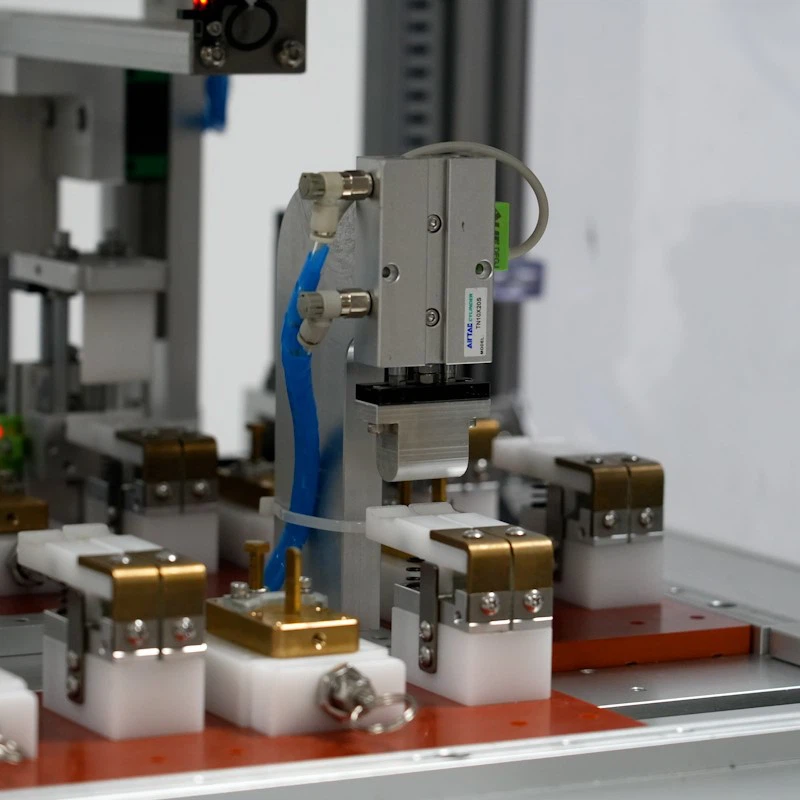
In addition to the benefits mentioned above, PLC-controlled automatic transformer testing machines have a high degree of accuracy, reducing the likelihood of producing faulty transformers. Automated machines can detect errors early, making it possible to correct them before the transformer is released to the market. The testing machine also records the parameters and results of the test, making it possible to track and analyze the data.
The automated testing machine is designed to meet the standards of specific transformer requirements. It can be customized to meet specific transformer ratings, and the test parameters can be adjusted to our needs. The machine is also designed to work with different transformer sizes, making it possible to test transformers of varying ratings up to a particular voltage.
In conclusion, the implementation of the PLC-controlled automatic transformer testing machine is a significant advancement in the transformer testing process. It has improved the efficiency and accuracy of the testing process, reduced the testing cost, and made the process of transformer testing faster, safer, and more reliable. Its customization and adaptability make it possible to meet varying transformer requirements, and its automation ensures minimal human intervention reducing the risk of human error. It is an exciting time for transformer manufacturers, and the implementation of automated testing machines is necessary for the industry's growth and development.


