


What Kinds of Magnetic Cores Can Be Processed By a Toroidal Winder
Find out what magnetic cores toroidal winding machines can handle. Learn about ferrite, silicon‑steel, nanocrystalline, and amorphous core compatibility at www.coilwindingmachinechina.com
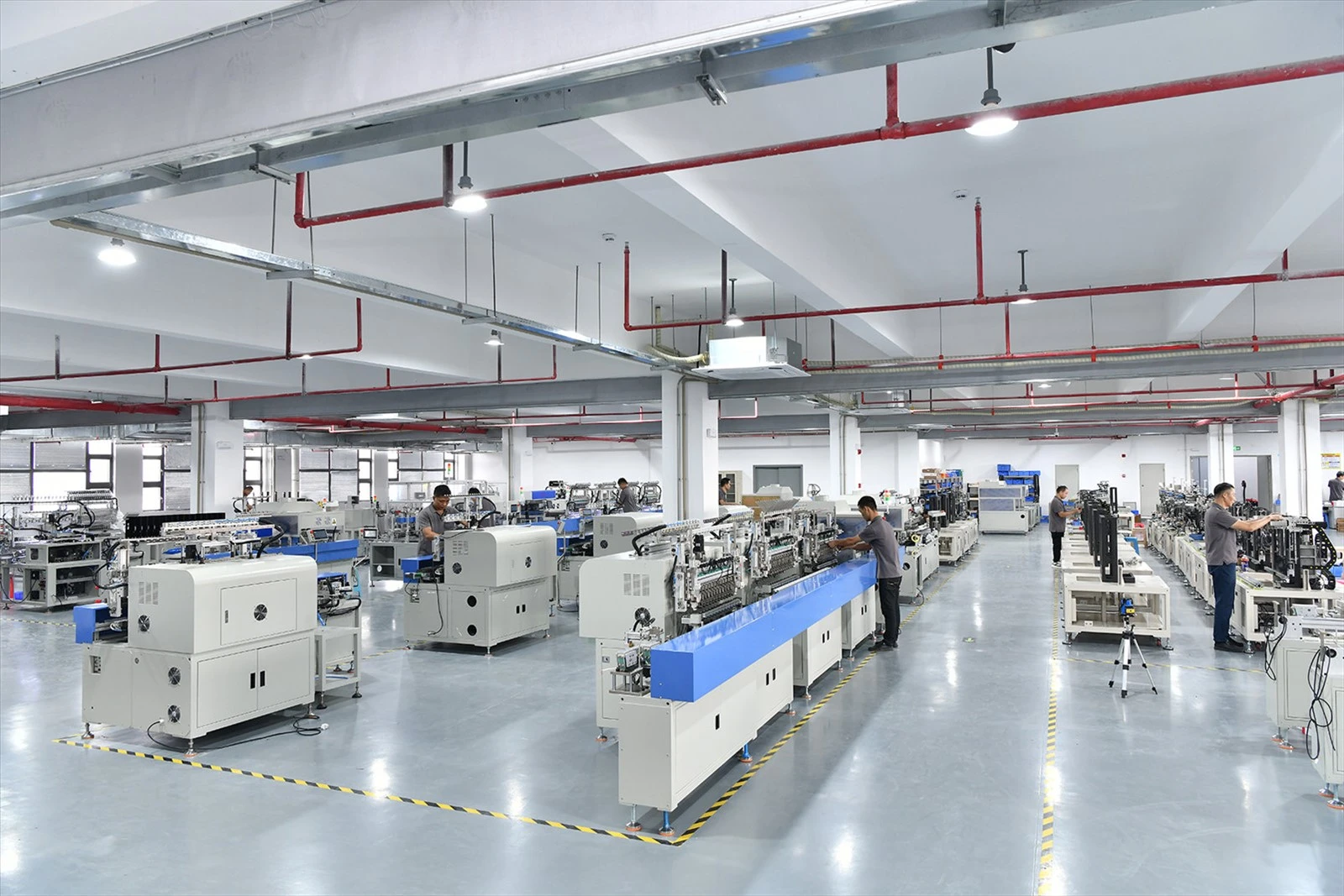
What Kinds of Magnetic Cores Can Be Processed By Toroidal Winder
When purchasing a toroidal winding machine, many transformer and inductor manufacturers focus only on machine speed or price, yet overlook core compatibility. Different magnetic core materials and dimensions set hard limits for your **toroidal coil winder**. Not every toroidal winder can work with all ring‑shaped magnetic cores.
When purchasing a toroidal winding machine, many transformer and inductor manufacturers focus only on machine speed or price, yet overlook core compatibility. Different magnetic core materials and dimensions set hard limits for your toroidal coil winder. Not every toroidal winder can work with all ring‑shaped magnetic cores.
From coilwindingmachinechina.com, this article breaks down mainstream magnetic core types supported by our automatic toroidal winding machine series. You will understand which core materials fit semi‑automatic, gear‑head, belt‑head, and fully‑automatic hook‑type toroidal winding equipment, plus practical production tips for your coil manufacturing lines
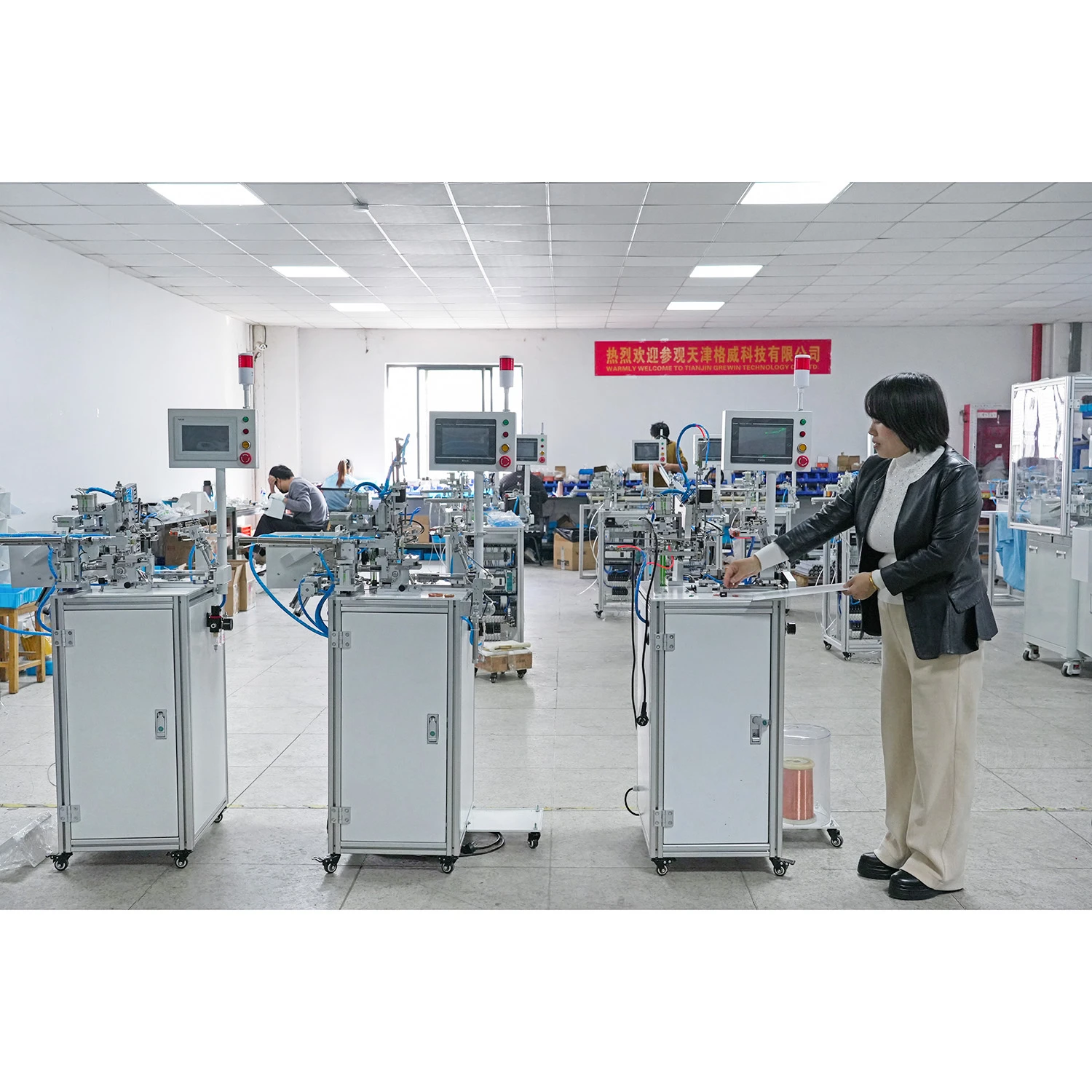
1. Ferrite Toroidal Cores (Mn‑Zn / Ni‑Zn Ferrite)
Core features & typical applications
Ferrite cores are the most widely‑used magnetic material for high‑frequency toroidal components.
Mn‑Zn ferrite: For common‑mode chokes, notch PFC inductors, and SMPS transformers, working within the kHz‑MHz frequency band.
Ni‑Zn ferrite: For high‑frequency signal inductors and EMI suppression.
These ring‑shaped ferrite cores are commonly seen in consumer power supplies, EV charger modules and industrial EMI filters.
Matching toroidal winding equipment
Small‑size ferrite magnetic rings (outer diameter 14‑45 mm) are perfectly processed by our fully automatic hook-type toroidal winding machine, such as model GWA‑70HMT. Larger ferrite toroids can be processed by a gear‑head or belt‑head toroidal winding machine.
Note: Ferrite is brittle. Winding equipment needs smooth wire‑guiding and moderate tension control to avoid core cracking during production.
2. Silicon‑Steel Toroidal Cores (CRGO Electrical Steel)
Core features & typical applications
Silicon‑steel toroidal cores feature high saturation flux density, mainly for low‑frequency power toroidal transformers, audio transformers, and current transformers. They are popular in power‑supply isolation, UPS, and industrial control equipment.
Matching toroidal winding equipment
Silicon‑steel toroids usually have a bigger physical size and heavier weight. Our gear‑head toroidal winding machine and belt‑head toroidal winding machine, like GWL‑715 and GW‑90T, deliver stable torque for thick copper wire winding on silicon‑steel cores. For heavy‑gauge wire on large silicon‑steel toroids, choose thick‑wire toroidal winding machine models.
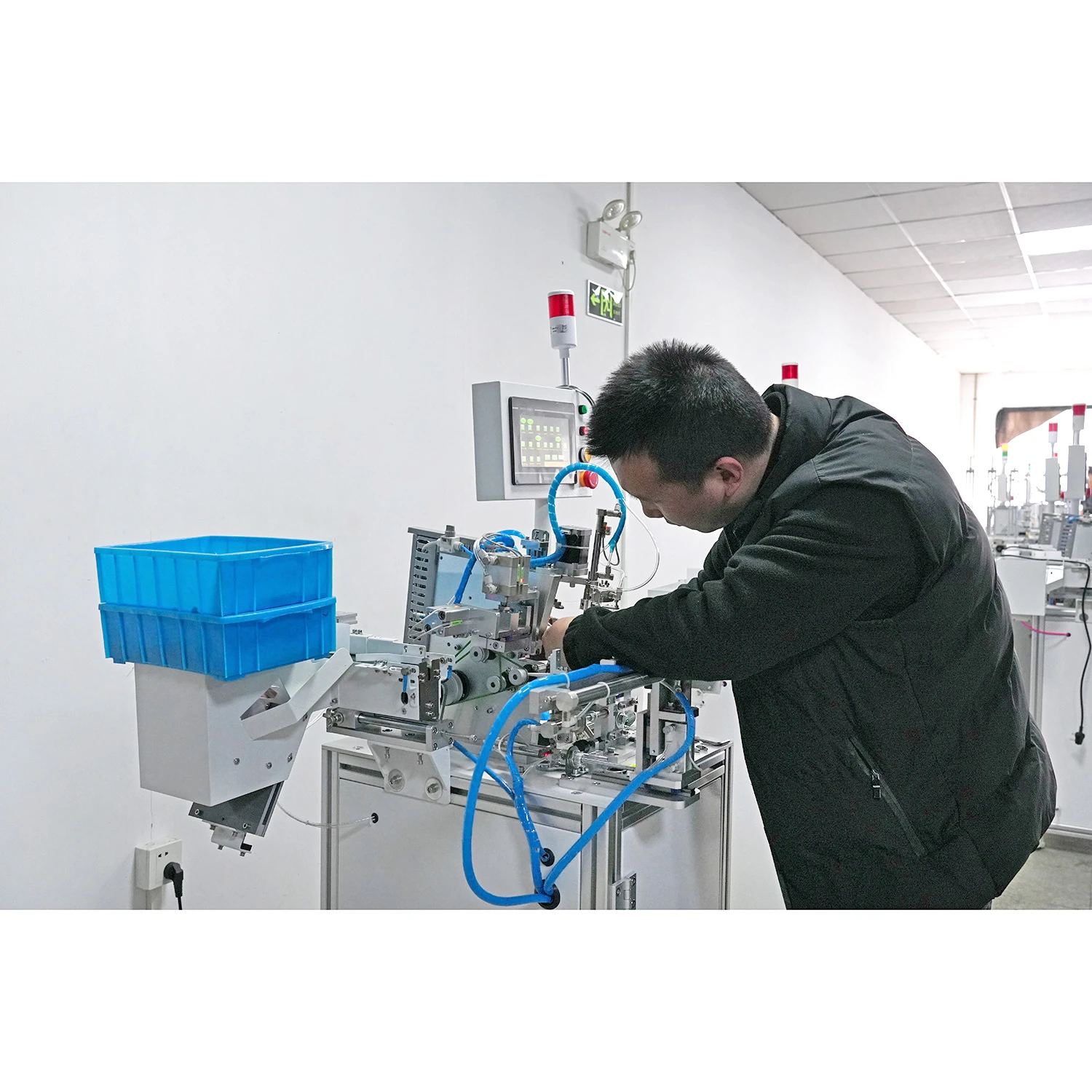
3. Nanocrystalline Toroidal Cores
Core features & typical applications
Nanocrystalline cores provide high permeability, low core loss, and excellent EMI performance, widely adopted for high‑end common‑mode chokes, PFC inductors, and precision current transformers for new‑energy and renewable‑energy equipment.
Matching toroidal winding equipment
Nanocrystalline magnetic rings often demand symmetric, high‑precision winding. Our GWAT‑80HM fully automatic common‑mode hook winding machine is built for nanocrystalline core mass production, supporting stable dual‑wire winding for three‑phase common‑mode inductors. Semi‑automatic PLC‑controlled toroidal winders are available for small‑batch prototyping.
4. Amorphous Toroidal Cores
Core features & typical applications
Amorphous alloy toroidal cores feature low no‑load loss, applied in high‑efficiency power transformers, inverter filter inductors, and industrial chokes.
Matching toroidal winding equipment
Amorphous cores are relatively fragile. The toroidal winding machine shall offer adjustable servo tension. Both semi‑automatic belt‑head winders and full‑automatic hook‑type toroidal winding machines support amorphous core processing, as long as core OD / ID fall within the machine specification range.

5. Iron‑Powder Toroidal Cores
Core features & typical applications
Iron‑powder cores are mainly used for differential‑mode inductors and PFC inductors, with good DC‑bias performance for power‑conversion circuits
Matching toroidal winding equipment
Iron‑powder toroids can run on multi‑function toroidal winding machines that support notch PFC and butterfly winding modes. One single machine can switch production between iron‑powder‑core PFC inductors and ferrite‑core butterfly coils.
Important Factors Deciding Whether A Toroidal Winder Can Handle Your Core
Material alone is not everything. Before selecting your toroidal winding machine, you need to double‑check three key dimensions:
- Core physical dimensions: Outer diameter, inner window diameter, core height. Every toroidal coil winder has fixed working range for magnetic ring size. For example, hook‑type machines have limits on minimum‑maximum magnetic‑ring outer diameter.
- Copper wire diameter: Thin wire needs fine wire‑guide parts; thick wire requires higher output torque from gear‑head / belt‑head mechanism.
- Winding pattern requirements: Common‑mode, butterfly winding, notch PFC winding call for special machine functions. Some semi‑automatic models cannot realize complex multi‑mode winding.
Pro Tip from coilwindingmachinechina.com: Send your real magnetic‑core samples for trial winding before placing mass‑production machine orders. This avoids unexpected incompatibility.
Frequently Asked Questions
Can one toroidal winding machine process different material magnetic cores?
Yes. If core dimensions and wire gauge stay within machine specifications, one multi‑function toroidal winding machine can wind ferrite, iron‑powder, and some nanocrystalline toroids. You only need to adjust tension parameters on the PLC HMI.
Which machine should I pick for small‑size common‑mode choke magnetic cores?
Small‑size common‑mode chokes mostly adopt ferrite or nanocrystalline cores. Our fully‑automatic hook‑type toroidal winding machine series is the preferred solution for high‑volume manufacturing.
Can a toroidal winder process bobbin‑type EI cores?
No. Toroidal winding machines are designed for closed ring‑shaped magnetic cores. EI bobbin coils require a separate parallel winding machine or bobbin winding machine such as GW‑9751 from our product lineup.
Conclusion
Modern toroidal winders support five major categories of magnetic cores: ferrite, silicon‑steel, nanocrystalline, amorphous, and iron‑powder toroidal cores. But material compatibility always comes together with core size, wire gauge, and winding‑mode limits of each machine model.
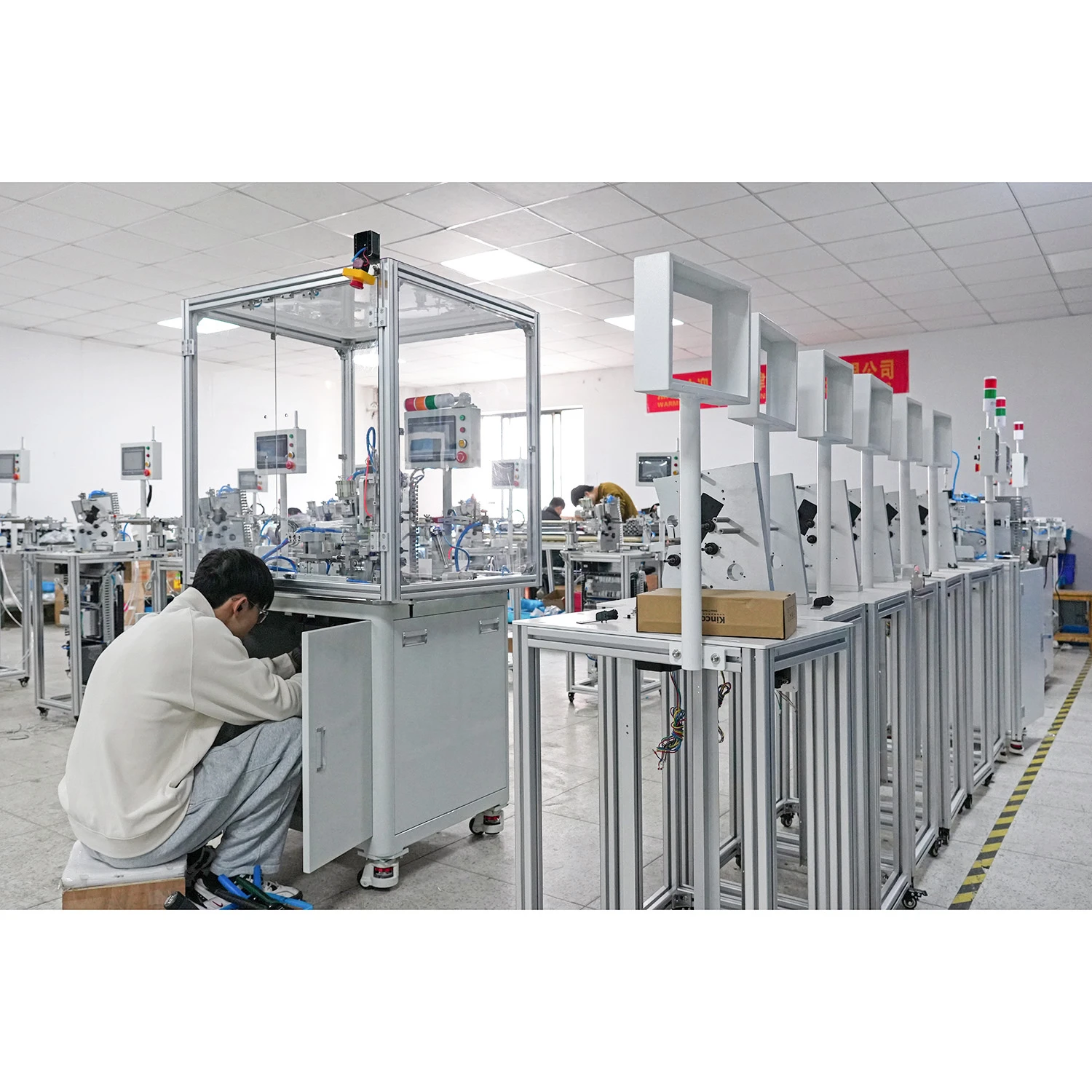
Grewin Industrial Group Co., Ltd., founded in 1993, supplies a full‑series of toroidal winding machines, including gear‑head, belt‑head, semi‑automatic, and fully‑automatic hook‑type toroidal coil winders, plus supporting transformer comprehensive test equipment and epoxy filling machine for complete coil‑production workflow.
If you are unsure whether your magnetic cores can work with certain toroidal winding equipment, contact our engineering team via coilwindingmachinechina.com. Provide your core drawing or samples; we can offer a custom fixture solution and trial‑winding service for transformer and inductor manufacturers worldwide.


