


What Is The Difference Between a Toroidal Coil and a Bobbin Coil?
Toroidal coils are wound directly on a closed,toroidal-shaped core without a plastic skeleton, while bobbin coils are wound onto a prefabricated plastic bobbin (skeleton). They vary in electromagnetic performance, production difficulty, and application scenarios, and require dedicated coil winding machines. At www.coilwindingmachinechina.com, we supply a full lineup of automatic winding equipment for both toroidal coils and bobbin coils, including toroidal winders, fly fork winding machines, CNC rotor winding machines, and coil testing instruments.
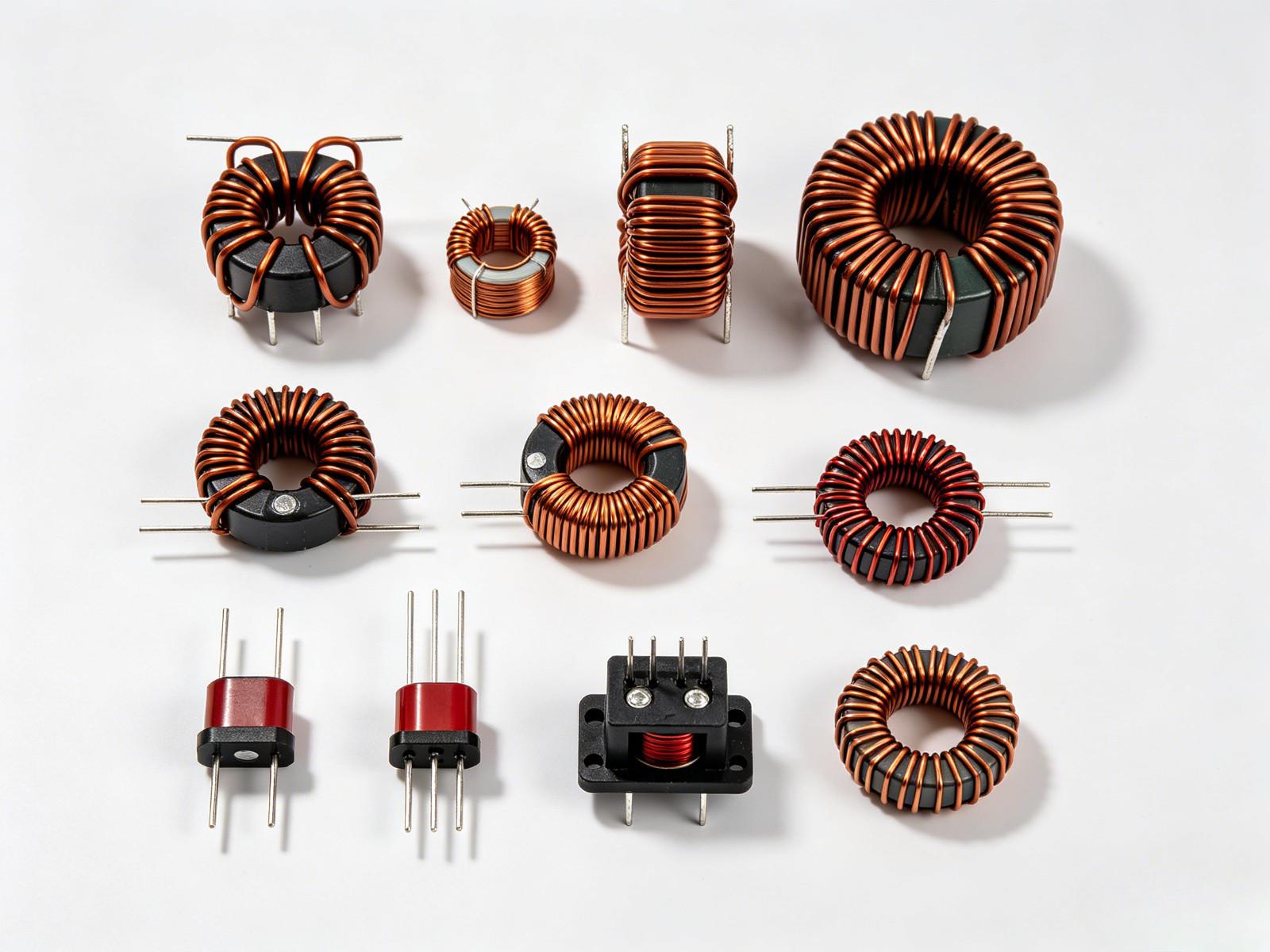
What Is A Toroidal Coil?
A toroidal coil is an inductor wound on a seamless closed-ring magnetic core, with no bobbin support, and it relies on specialized toroidal winding equipment for production.
Structure Characteristics of Toroidal Coils
Toroidal coils adopt a closed-loop magnetic core made of ferrite, amorphous alloy, or silicon steel. Enameled wire passes through the inner hole of the toroidal core and wraps around the core surface directly, without a plastic insulation bobbin.
The closed magnetic circuit confines magnetic flux inside the core, greatly cutting down magnetic leakage and electromagnetic interference. This feature makes it widely used in high-frequency filters and anti-interference circuits.
Core Advantages of Toroidal Coils
- Ultra-low magnetic leakage, superior EMI suppression capability
- Stable inductance under high-frequency working conditions
- Compact dimensions for the same inductance and current rating
- Lower core loss at medium and high frequency
-
Limitations of Toroidal Coils
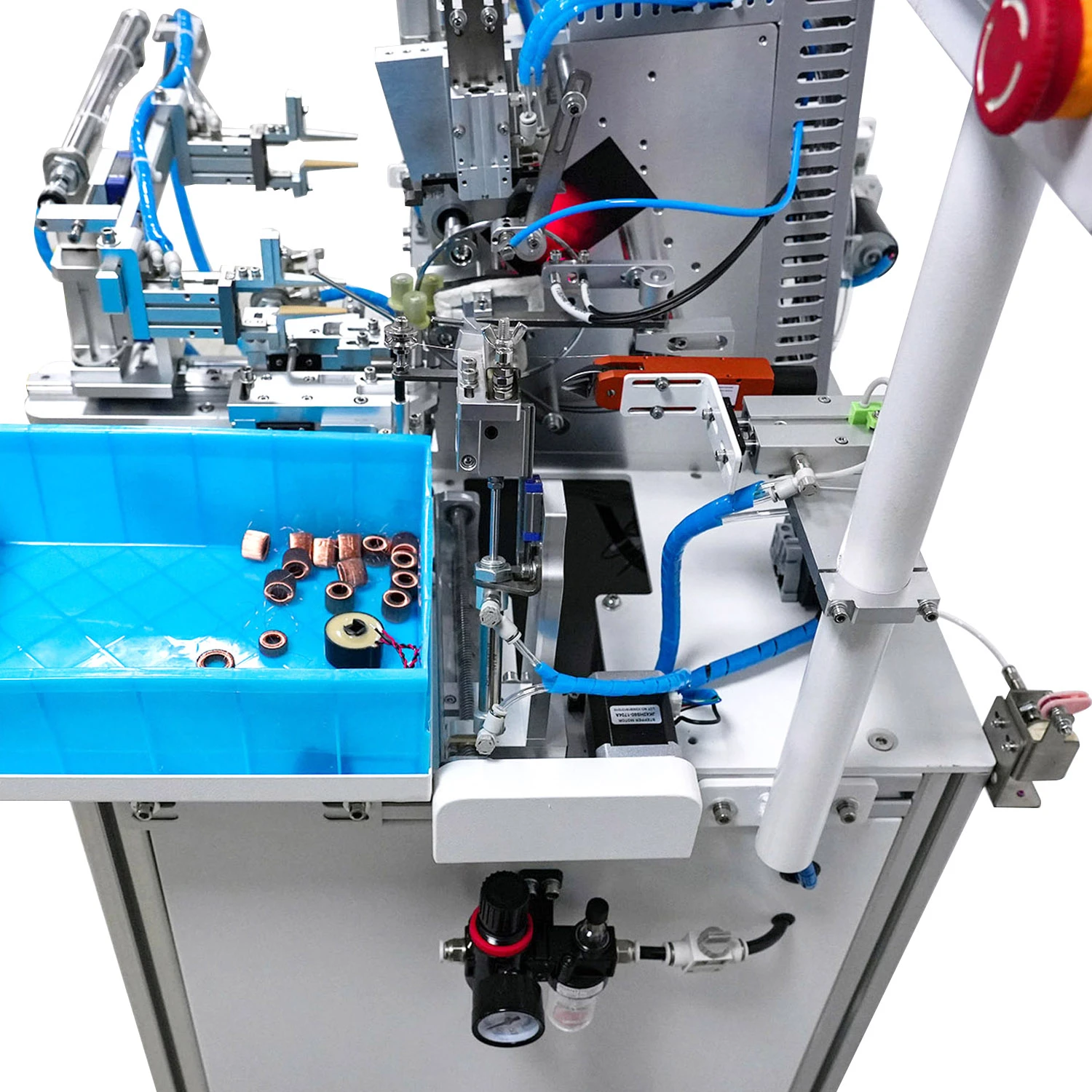
The winding process is complicated. Wire must thread through the core's central hole. Manual winding is slow, inconsistent, and hard to scale up. Custom jigs are often required when changing core sizes or wire gauges.
Typical Application of Toroidal Coils
Common-mode chokes, power filter inductors, high-frequency transformers, solar inverter inductors, audio transformers, medical power inductors.
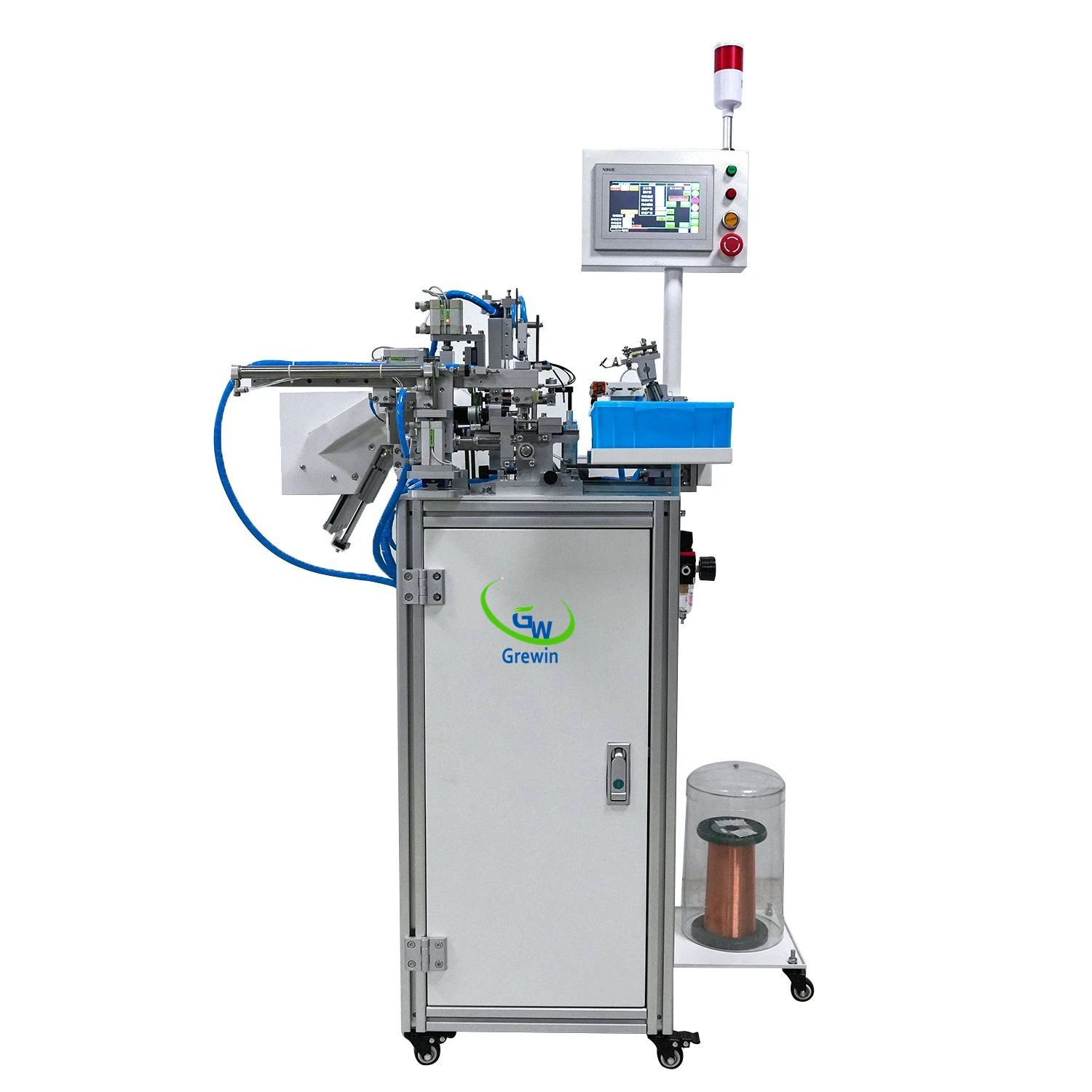
Our Toroidal Winding Machine Solutions For Toroidal Coils
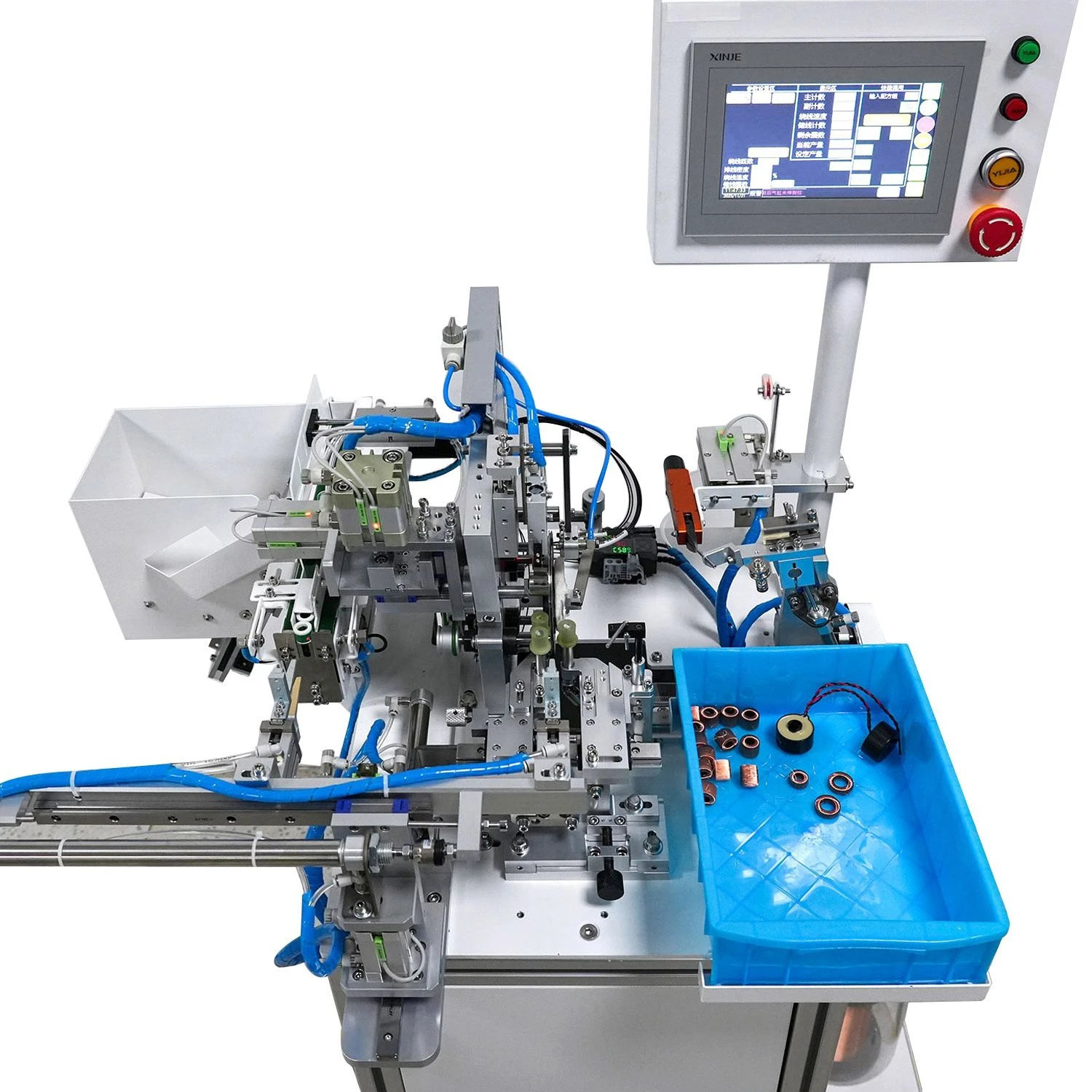
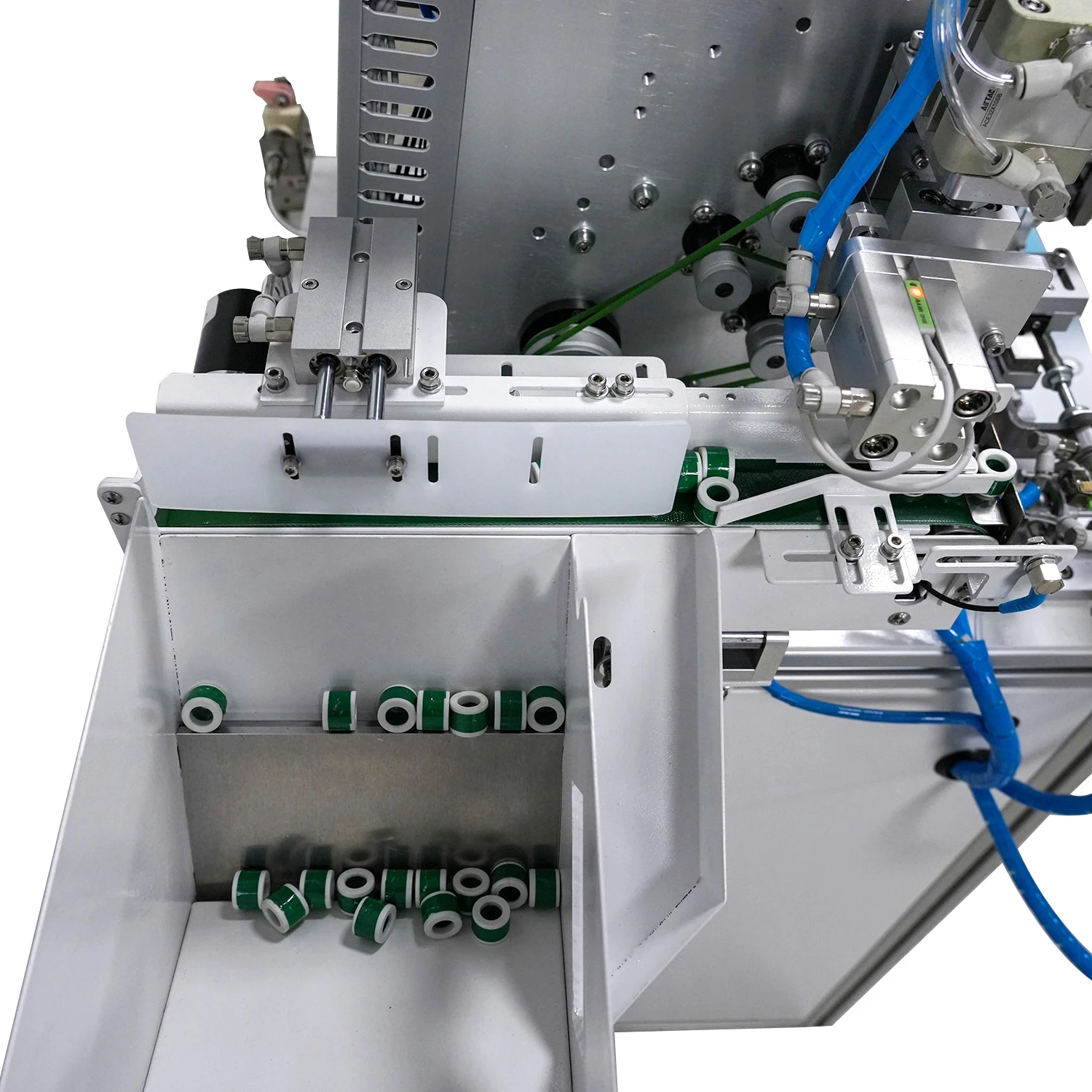
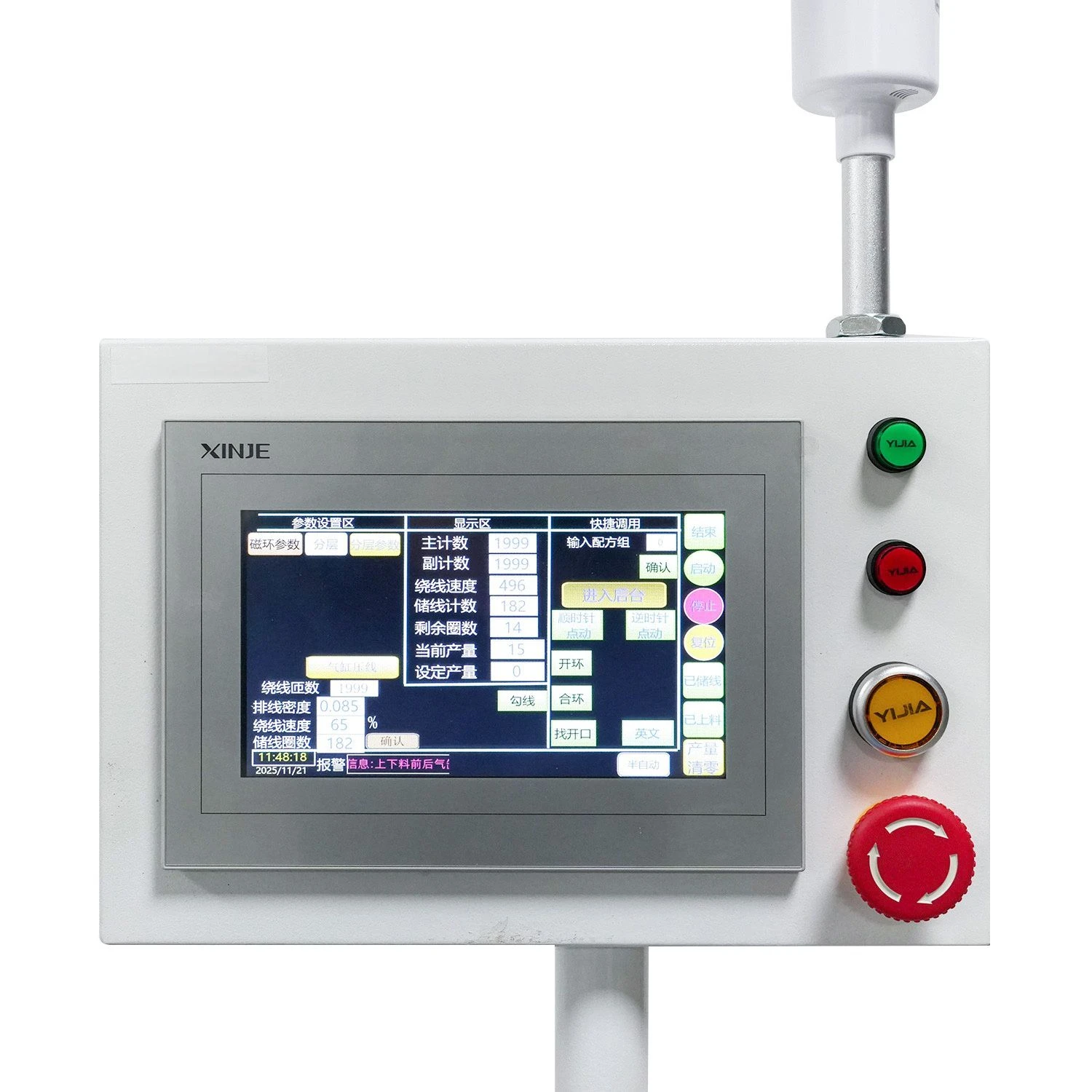
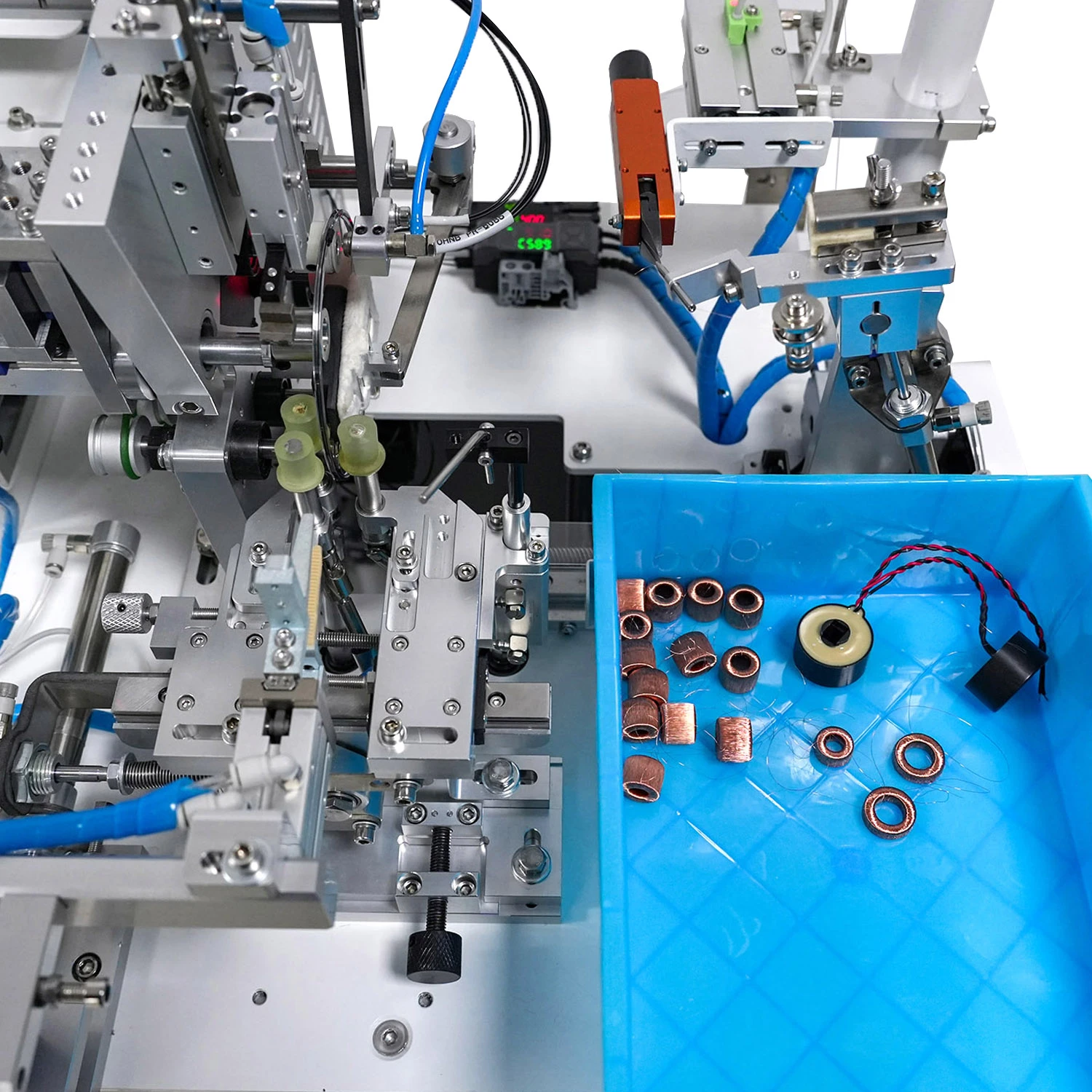
Our GW-7004 automatic toroidal winding machine is engineered for mass production of toroidal coils and common-mode chokes. It supports various wire diameters and different inner/outer core sizes, with programmable winding turns and tension control.
This toroidal winder delivers stable winding density and uniform wire arrangement, effectively lowering defect rates. If you need to produce large-volume toroidal inductors or common-mode chokes, you can check detailed parameters and case studies on our website www.coilwindingmachinechina.com. We also provide custom jig service for non-standard ring cores.
|
1 |
Model |
GW-7004 |
|
2 |
power supply |
220V/110V 50/60HZ |
|
3 |
Air pressure |
0.6Kpa-0.8Kpa |
|
4 |
Maximum wire diameter |
0.2mm |
|
5 |
Minimum wire diameter |
0.05mm |
|
6 |
Maximum finished outer diameter |
40mm |
|
7 |
Minimum finished inner diameter |
6mm |
|
8 |
Maximum finished product height |
20mm |
|
9 |
Line spacing control |
Programming control |
|
10 |
Sectional winding control |
Programming control |
|
11 |
Cumulative winding control |
Programming control |
|
12 |
Cable motor |
Hybrid stepping motor |
|
13 |
Main motor |
servo motor |
|
14 |
Winding speed |
Adjustable; the fastest equipment is1400rpm |
|
15 |
physical dimension |
900mm*900mm*1500mm |
|
16 |
Weight |
75KG |
What Is A Bobbin Coil?
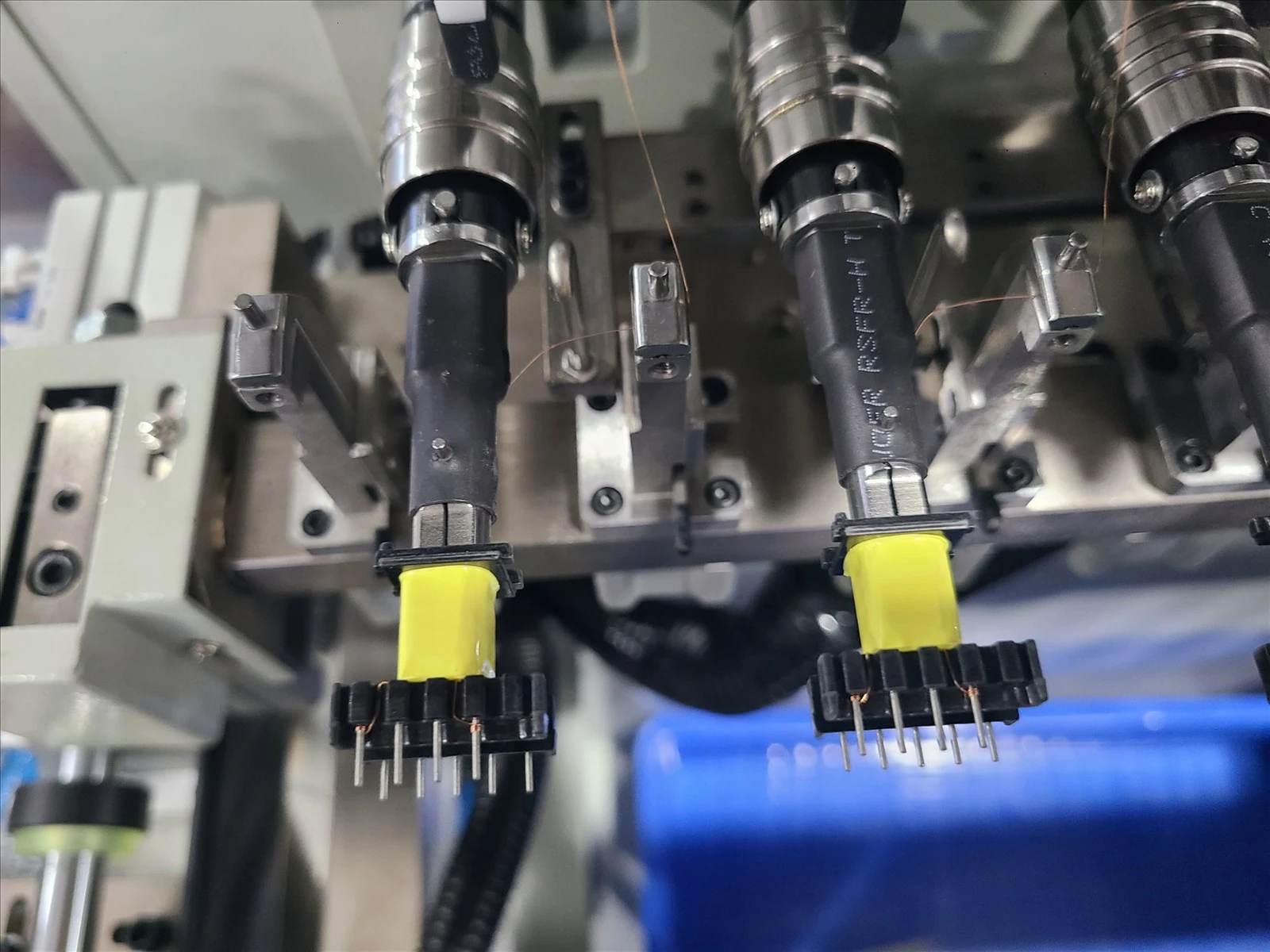
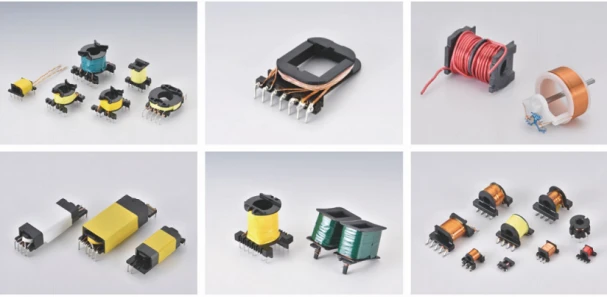
A bobbin coil is enameled wire wound on an injection-molded plastic bobbin (skeleton) with terminal pins; it is suitable for high-speed production using CNC spindle or fly-fork winding machines.
Structure Characteristics of Bobbin Coils
The plastic bobbin acts as an insulation carrier and wire separator, with partition slots and soldering pins. Copper wire is neatly layered on the bobbin flanges. After winding, EI, UI, or ferrite cores are assembled into the bobbin.
The built-in pins make lead-out, soldering, and PCB mounting straightforward. The bobbin isolates copper wire from the magnetic core for basic insulation protection.
Core Advantages of Bobbin Coils
- Simple winding logic, fit for high-speed automated production
- Neat wire arrangement and consistent finished appearance
- Easy soldering and assembly on PCBA
- Low cost for standard bobbins, fast model switching
Limitations of Bobbin Coils
The open magnetic core structure causes obvious magnetic flux leakage, so EMI performance is weaker than toroidal coils. The plastic bobbin takes extra space, so the finished coil is larger with the same inductance. High-frequency loss is relatively higher.
Typical Application of Bobbin Coils
Power transformers, charger transformers, relay coils, low-frequency inductors, stator coils, isolation power modules, household appliance power components.
Our Bobbin Winding Machine Solutions For Bobbin Coils
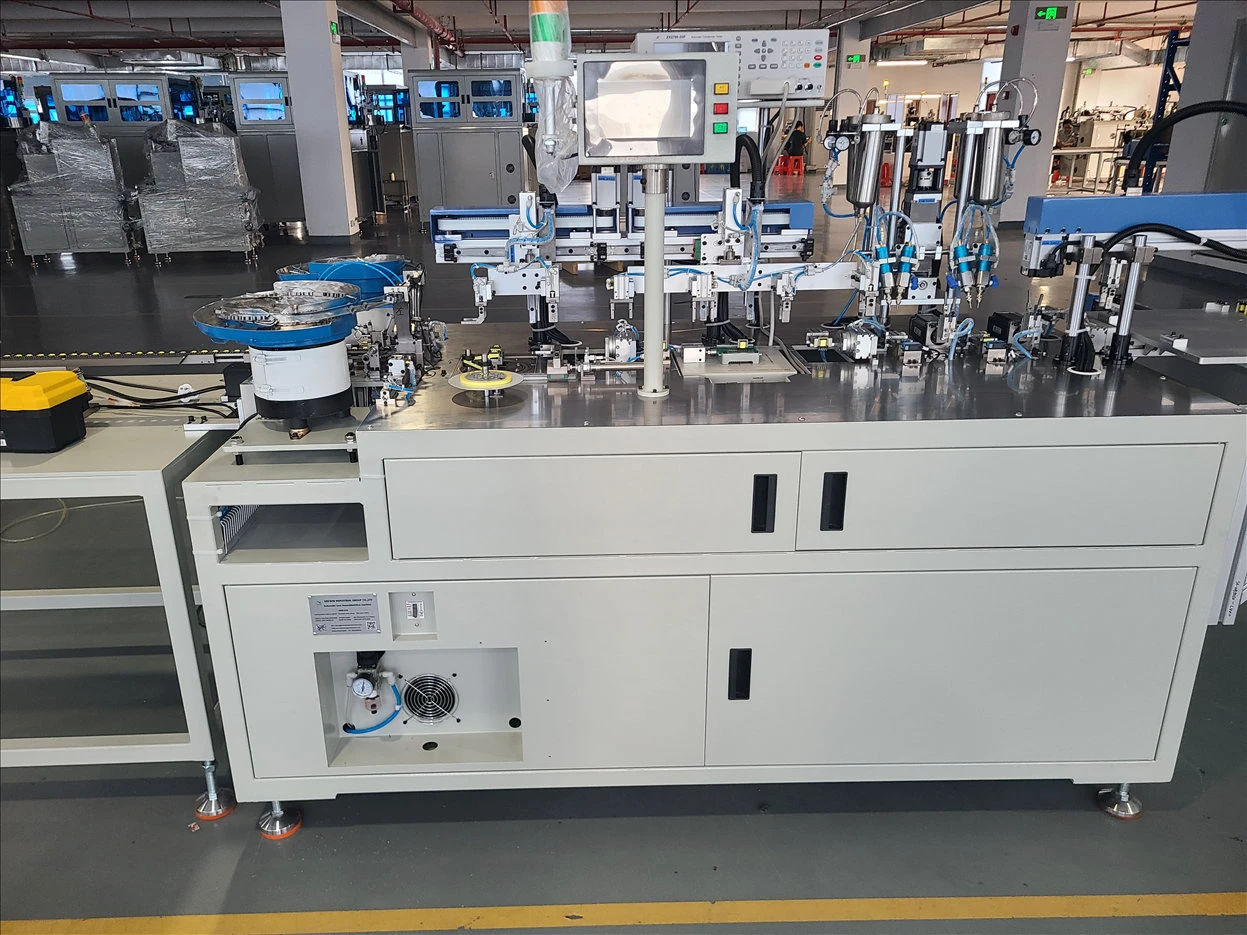
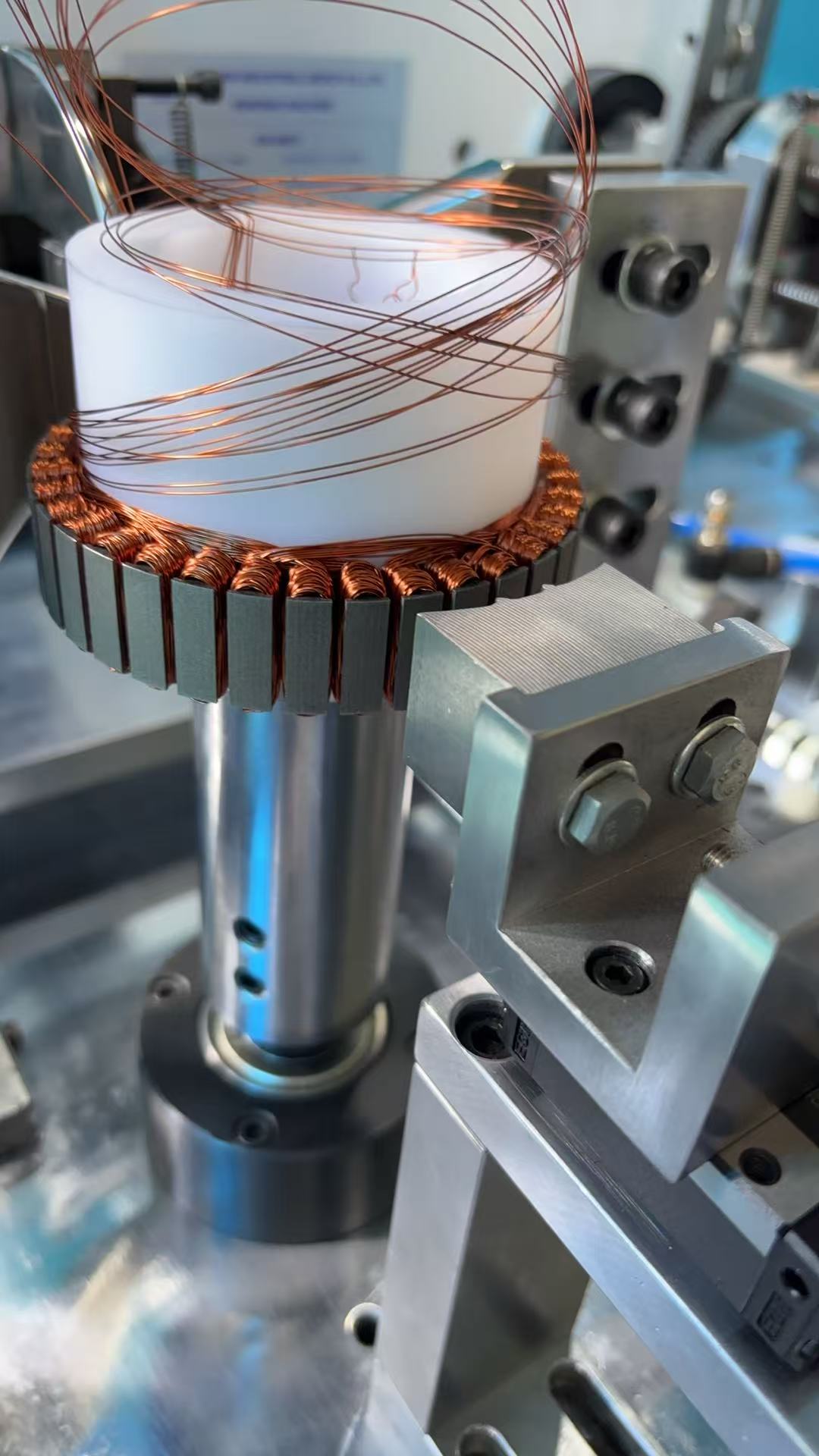
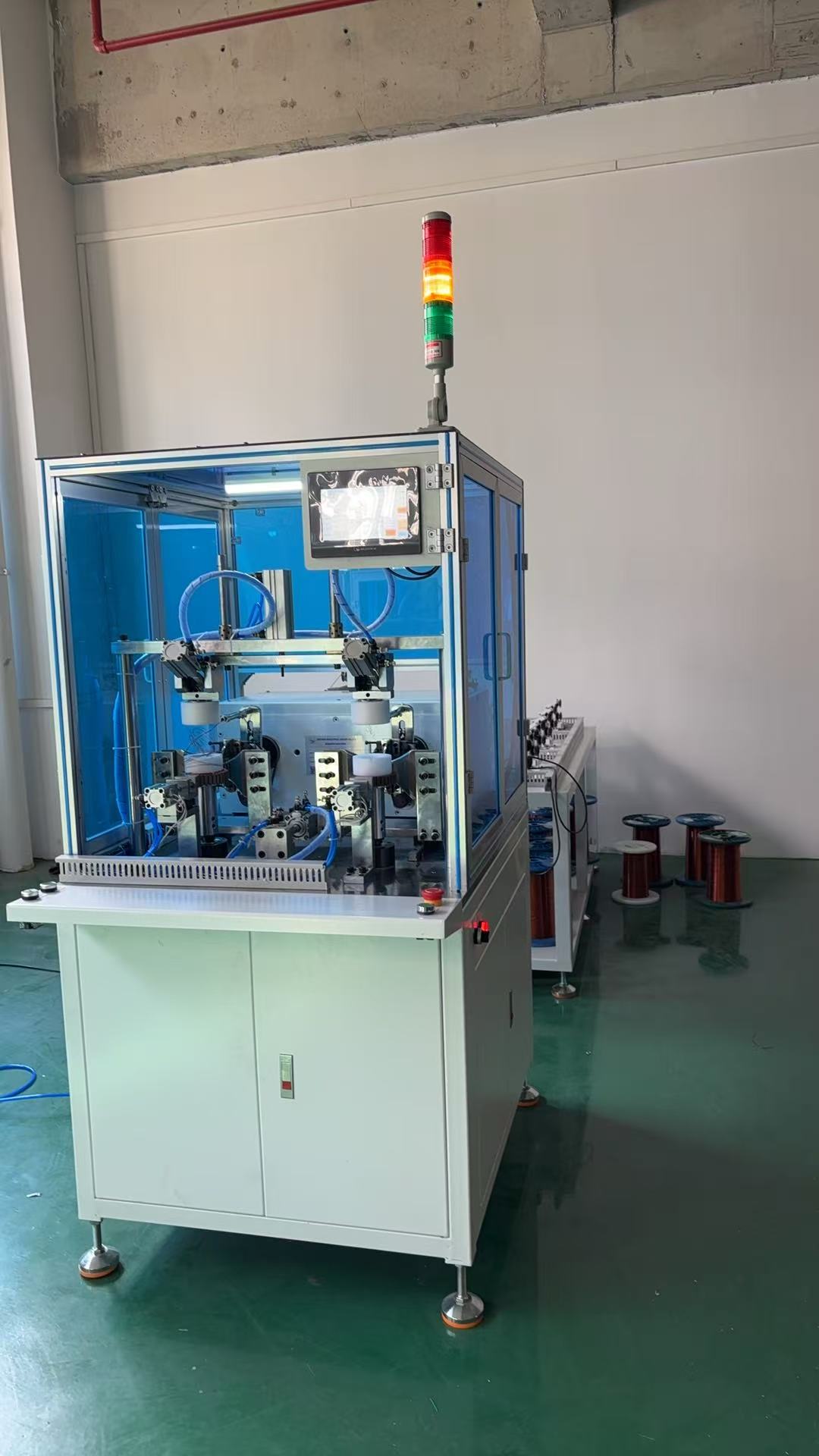
Our GW-CNCM01 CNC fly fork winding machine is designed for bobbin coil production. It supports automatic winding, wire arranging, wire cutting, and tension adjustment. It works well for transformer bobbins, inductor skeletons, and small stator coils.
We also supply the GWM-OD06 rotor winding machine for bobbin-style motor rotor coils. These machines feature touchscreen programming, fast recipe storage, and stable long-run operation. Visit www.coilwindingmachinechina.com to view videos and technical specs of our bobbin winding equipment.
What Are The Key Differences Between Toroidal Coils And Bobbin Coils?
They differ mainly in magnetic leakage, frequency suitability, production speed, finished size, and the type of winding machine required for manufacturing.
Magnetic & EMI Performance
Toroidal closed-core design minimizes magnetic leakage, ideal for high-frequency EMC-sensitive products. Bobbin coils with open cores leak more magnetism and are mostly used for low-frequency power supplies where EMI standards are loose.
Production Efficiency & Winding Difficulty
Bobbin coils are high-speed friendly with fly-fork and spindle winding machines, with short cycle time and high yield. Toroidal winding requires wire threading through the ring hole, so the cycle is longer, and fixture customization is often needed.
Footprint & Installation Space
With identical inductance and current specs, toroidal coils are more compact. Bobbin coils take more space because of the plastic bobbin skeleton.
Matching Winding Machinery From Our Factory
You need a toroidal winding machine for ring core coils such as our GW-7004 series. For bobbin coils, our GW-CNCM01 CNC winding machine and GWM-OD06 rotor winder are the mainstream options.
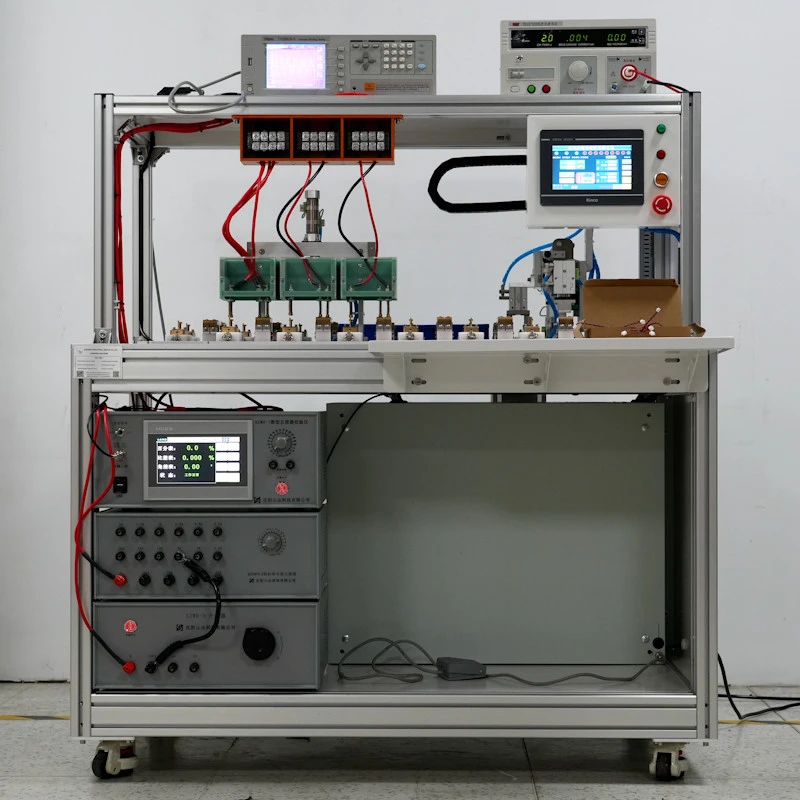
All our winding machines can be paired with our GWCT-100 transformer & coil comprehensive tester to test inductance, resistance, and Hi-Pot, and to test turns automatically after winding, forming a complete production line. You can explore the full machine range on www.coilwindingmachinechina.com.
Production Cost Comparison
Standard bobbin coils enjoy lower unit cost for mass orders. Toroidal coils cost more to manufacture due to slower winding speed and custom jig requirements, but they are selected for high-frequency, low-noise power designs.
How To Choose Between Toroidal Coil And Bobbin Coil For Your Project?
Pick toroidal coils when you need low leakage, high frequency, and compact size; pick bobbin coils for high-volume, low-frequency power projects with cost control priority, then select our corresponding winding machine.
Choose Toroidal Coils When These Requirements Apply
- ✅ Strict EMC and low noise requirements
- ✅ Working frequency higher than 20kHz
- ✅ Limited mounting space inside the device
- ✅ High inductance stability is required
- ✅ You can accept higher manufacturing cost
- ✅ Recommended machine: GW-7004 toroidal winding machine
Choose Bobbin Coils When These Requirements Apply
- ✅ 50/60Hz low-frequency power transformers
- ✅ Large batch production, cost-sensitive
- ✅ Simple soldering pins and easy assembly
- ✅ Less strict EMI testing standards
- ✅ Fast delivery and stable mass supply
- ✅ Recommended machines: GW-CNCM01 CNC winding machine / GWM-OD06 rotor winding machine
Get Custom Winding Machine Support From Our Team
Share your coil drawing, wire gauge, target output, and core type with us. Our engineers will recommend the proper winding machine, jigs, and supporting testing equipment. Browse our catalog and send an inquiry via www.coilwindingmachinechina.com.
FAQ
Below are common questions from coil manufacturers about toroidal coils, bobbin coils, and our supporting winding machines.
Can one winding machine produce both toroidal coils and bobbin coils?
Generally no. The winding mechanisms are totally different. Bobbin winding machines use fly-fork or spindle rotation; toroidal winders adopt a wire-loop threading structure. We will suggest separate machines based on your main coil product.
Which coil type is better for common-mode chokes?
Toroidal coils are the standard choice for common-mode chokes for excellent magnetic shielding. Our GW-7004 toroidal winder is widely used for mass common-mode choke production.
Can you supply coil testing equipment together with winding machines?
Yes. Our GWCT-100 coil comprehensive tester can test turns, inductance, DC resistance, and withstand voltage. It can be matched with both toroidal and bobbin winding lines for quality inspection.
Do you offer custom jigs for special coil sizes?
Yes. Our technical team develops custom fixtures for non-standard toroidal cores and special bobbin skeletons. Contact us at www.coilwindingmachinechina.com for technical drawing review and quotation.


