



Manual, Semi‑auto to Fully‑auto: Evolution of Coil Winding Equipment
Coil winding is a core manufacturing step for transformers, inductors, chokes, and various wound electronic components. Over decades, coil winding equipment has evolved from simple hand‑crank tools to high‑precision servo‑driven automation systems. For transformer and inductor factories, choosing the right transformer winding machine directly affects product consistency, production throughput, and overall manufacturing cost. This article walks through the development stages of winding technology and practical equipment selection advice for electronic component manufacturers.
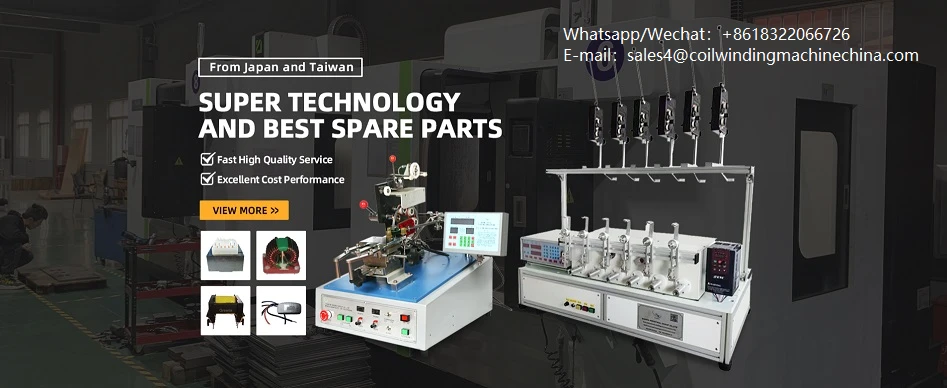
1. Manual Coil Winding: The Original Winding Solution
Manual winding relies entirely on human operation with basic mechanical aids. Early workshops produced transformer coils and inductor windings purely by hand. Manual winding tools remain in use today for prototype testing, R&D laboratories, repair work, and very‑small‑batch custom coils.
Advantages: Low capital cost, high flexibility for frequent specification changes.
Limitations: Heavy dependence on skilled workers, unstable winding uniformity, low output, high risk of wire damage. Manual processes cannot meet mass‑production requirements for modern toroidal transformer winding machine applications.
Manual winding still plays a supporting role in sample making, yet most commercial‑grade transformer production has shifted toward motor‑assisted equipment.
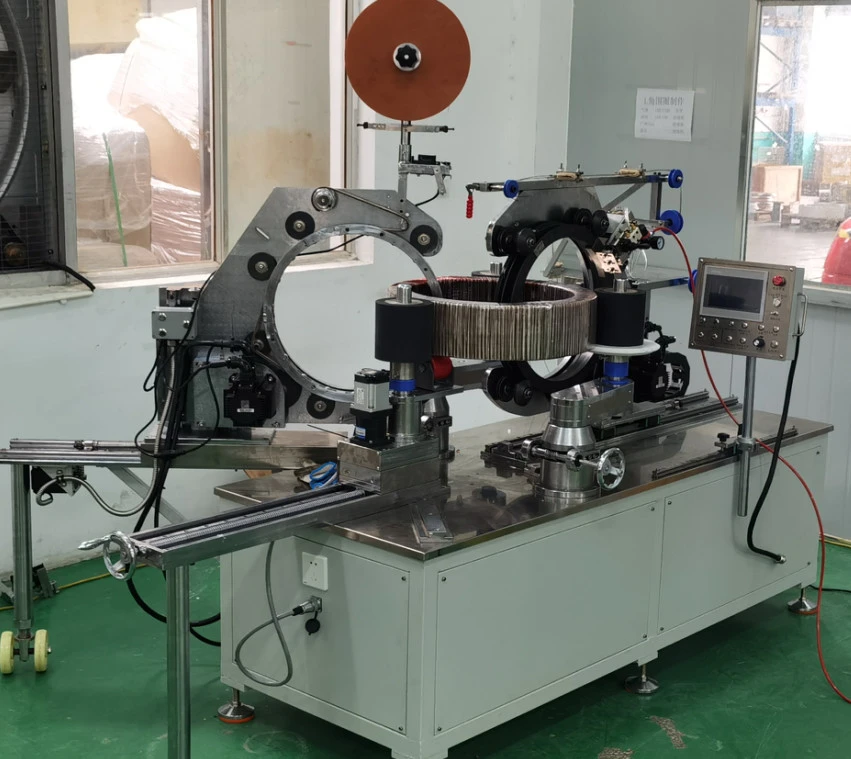
2. Semi‑Automatic Coil Winding Machine: Balancing Cost and Productivity
The emergence of the semi‑automatic coil winding machine marked an important upgrade for transformer manufacturers. Operators complete core loading and fixture adjustment manually, while the machine handles motor‑driven rotation, turn counting, and basic wire tension control. This category covers widely‑used models such as gear‑head winding machines and belt‑head toroidal winding machines for medium‑volume toroidal component production.
Key benefits of semi‑auto winding equipment
- Greatly reduces repetitive manual labor compared with pure manual work
- Programmable winding parameters for different transformer coils and inductors
- Moderate investment, suitable for small‑to‑mid‑size transformer factories
- Fast model change‑over for mixed‑SKU production orders
At Grewin Industrial Group Co., Ltd., our semi‑auto series includes multiple toroidal winding machine models for power transformers, current transformers, and common‑mode chokes. Many global customers select semi‑auto units as cost‑effective mainstream production equipment.
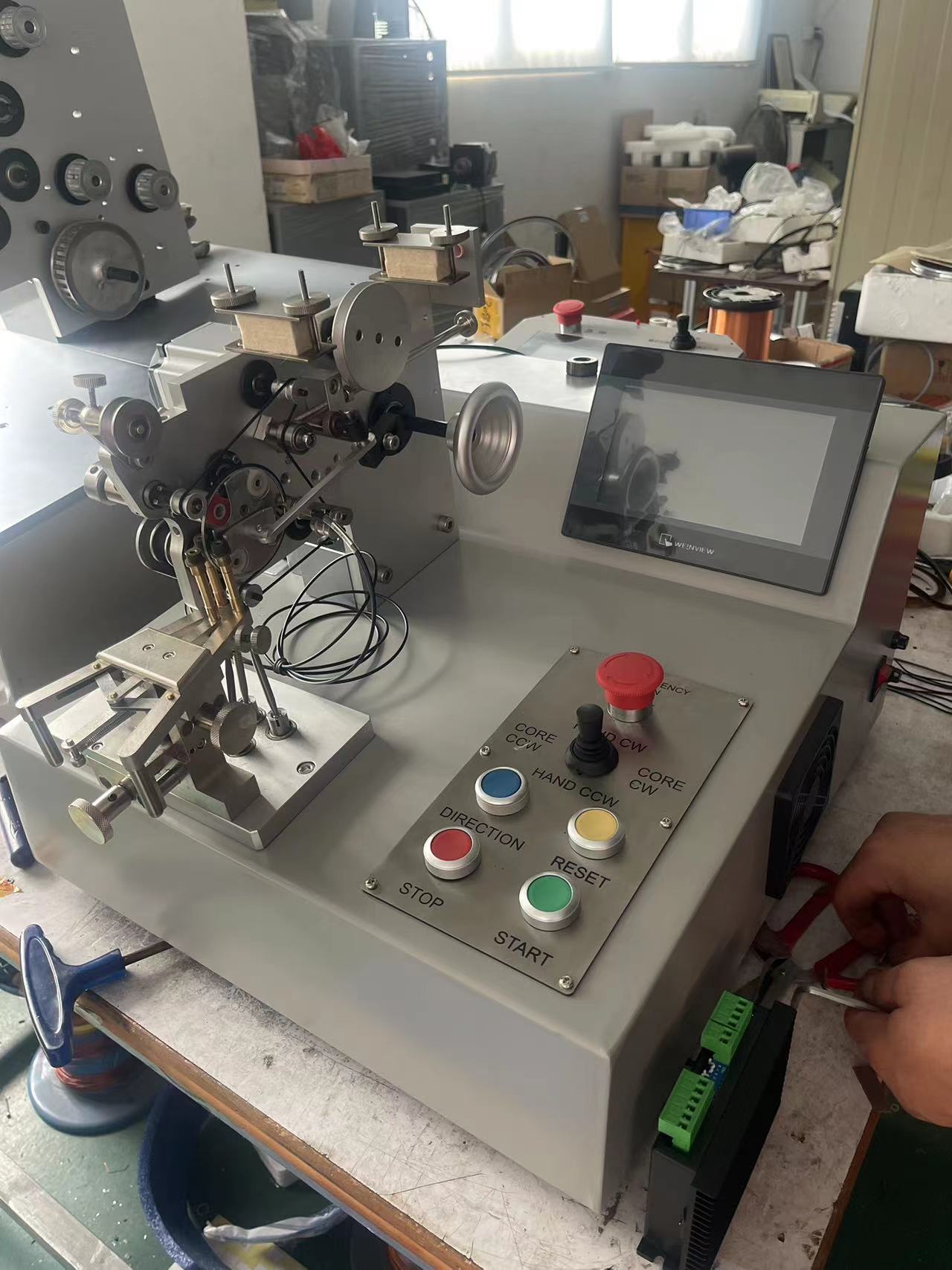
3. Fully‑Automatic Winding Machine: High‑Speed Precision for Mass Production
As demand grows for high‑volume, consistent‑quality transformers and inductors across power electronics, new‑energy, and automotive industries, fully‑automatic coil winding machines have become mainstream for large‑scale manufacturing lines. Equipped with multi‑axis servo control, automatic wire feeding, intelligent tension adjustment, and recipe storage, these machines minimize human intervention throughout the complete winding cycle.
Main application scenarios for fully‑auto winding equipment
- High‑volume production of toroidal inductors and common‑mode chokes
- Mass manufacturing of small‑size power transformers
- Strict‑tolerance components requiring stable orthocyclic winding layers
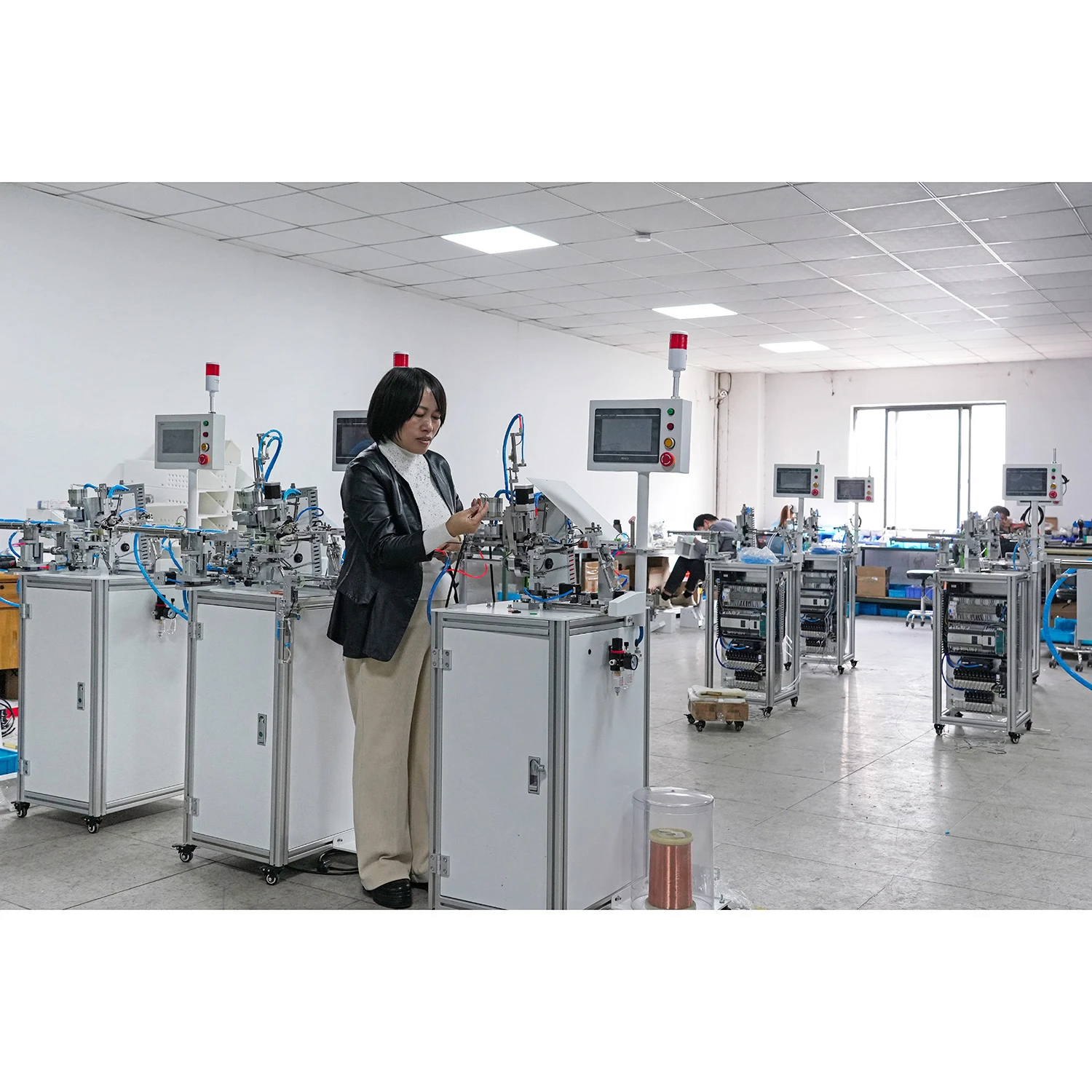
Grewin's fully‑automatic hook‑type toroidal winding machine series serves customers producing large quantities of magnetic‑ring components. Our product range also covers parallel winding machines, taping machines, and supporting transformer comprehensive test equipment to build complete production workflows for transformer manufacturers.
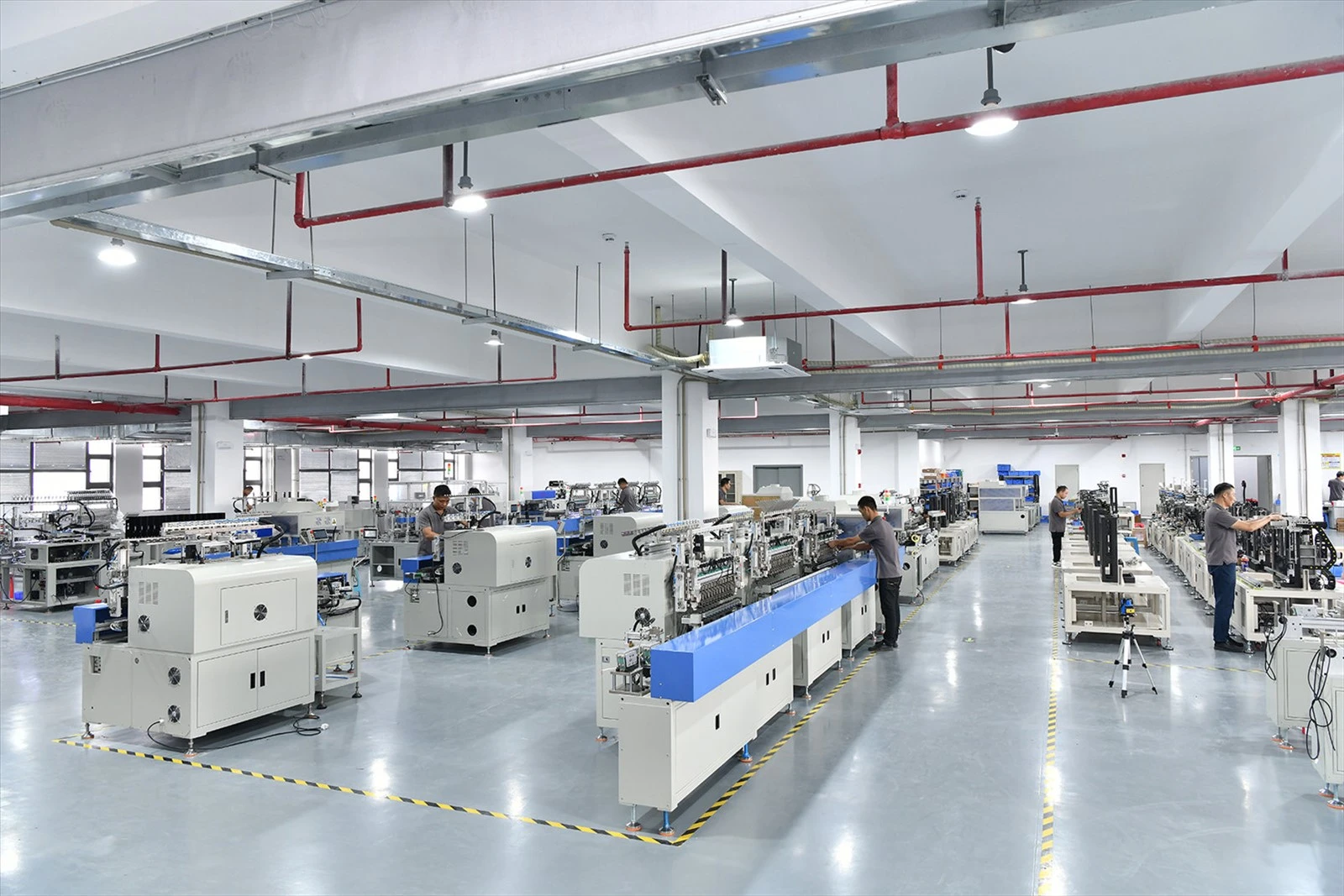
4. How to Choose Between Manual, Semi‑auto and Fully‑auto Winding Equipment
There is no universal "best" coil winding machine. Your final selection should match your production scale, coil specifications, wire‑diameter range, budget, and product‑quality requirements:
- Manual: Lab prototyping, repair shops, extremely low‑volume custom samples
- Semi‑automatic: Small‑medium transformer factories, mixed‑batch orders, balanced cost‑performance expectation
- Fully‑automatic: Mass‑volume production lines, high‑consistency requirements for inductors and toroidal transformers
Many clients start with one or two semi‑automatic transformer winding machine units for capacity verification, then expand to fully‑automatic models as their business grows. Grewin supports custom modification according to customers' core size, wire gauge, and production requirements.
5. Grewin: Your Reliable Partner for Complete Coil‑Winding Solutions
Founded in 1993, Grewin Industrial Group Co., Ltd. is a professional manufacturer covering manual‑assist, semi‑automatic, and fully‑automatic toroidal transformer winding machines, bobbin winding equipment, taping machines, and testing instruments for transformer and inductor production.
Our strengths:
- Full‑series product portfolio for different automation levels
- Factory direct supply with customisation support
- Strict manufacturing quality control & cost‑effective performance
- Complete technical guidance and after‑sales service for overseas clients
Conclusion
The evolution from manual toward semi‑auto and fully‑auto coil winding equipment reflects the overall upgrading trend of transformer and inductor manufacturing worldwide. Whether you need sample‑making equipment, mid‑volume gear‑head winding machine, or high‑speed fully‑automatic toroidal winding machine, matching your equipment choice to your real‑world production conditions brings the best return on investment.
If you are evaluating transformer winding machine solutions, welcome to visit our official website: https://www.coilwindingmachinechina.com/ to explore detailed product specifications and contact our engineering team for project consultation.


