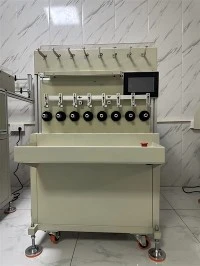
Daily Maintenance Checklist to Extend Your Coil Winding Machine Service Life | Grewin
Follow this practical daily maintenance checklist for coil winding and toroidal winding machines. Reduce downtime, cut repair costs & extend machine lifespan for transformer and inductor manufacturers in India & South Asia.
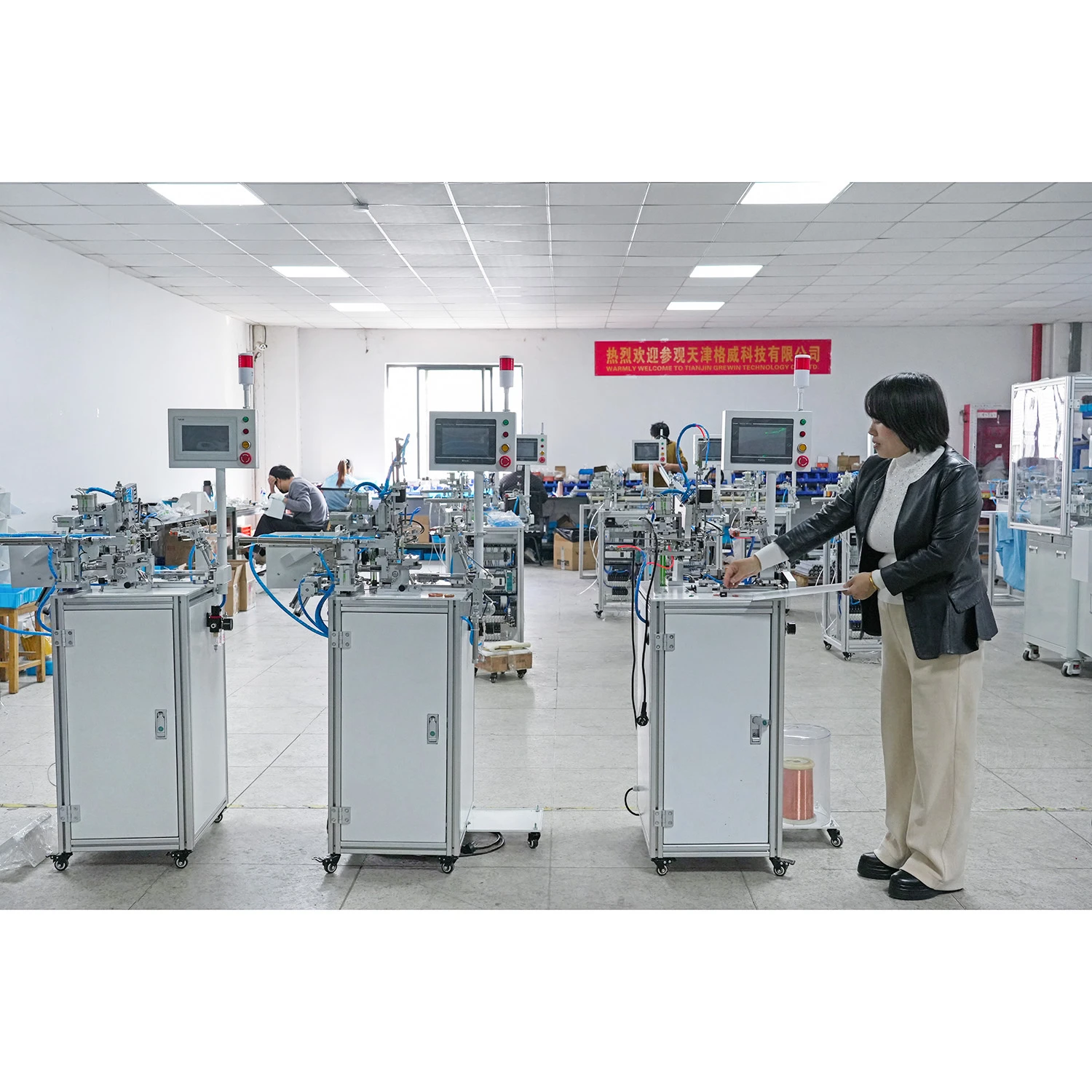
Many transformer, inductor, and choke manufacturers across India face unexpected production loss due to sudden coil winding equipment breakdowns. Most machine failures on semi‑automatic, automatic, and toroidal coil winding machines are not caused by hardware defects, but due to poor daily preventive maintenance on the factory floor.
For small‑medium winding units running shift‑based production in Pune, Ahmedabad, Delhi‑NCR, Chennai and across India, ignoring routine checks leads to frequent wire breakage, poor coil winding quality, higher spare‑part expenses and shorter machine working life.
Grewin Industrial Group Co., Ltd. established in 1993, manufactures a full range of winding equipment including toroidal automated winding unit, belt‑head winding machine, gear‑head winding machine, fully‑automatic hook‑type winding machine and parallel winding machine for global buyers including India market.
In this article, we share a printable daily maintenance checklist for coil winding machine operators and plant maintenance technicians to reduce unplanned downtime and maximise your machine service life.
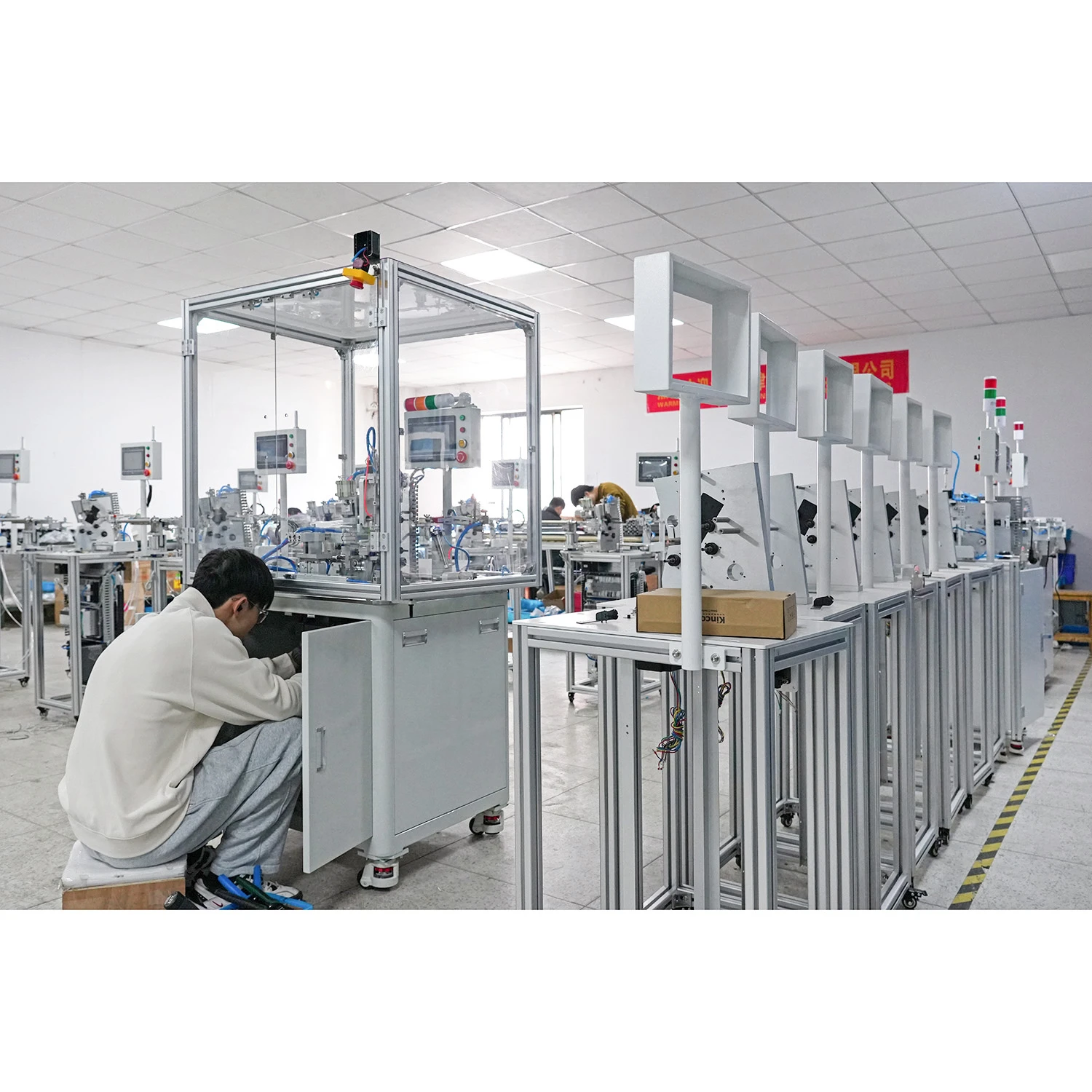
Why Daily Preventive Maintenance Is Critical for winding machine for coil production in Indian Factories
Workshop conditions in many Indian manufacturing sites have high copper dust, humidity, and continuous multi‑shift operation. Enamel copper powder, wire scraps, and insulation debris quickly accumulate inside wire nozzles, tension discs, linear guides, and optical sensors of your toroidal or bobbin winding machine.
Without regular daily checks, you will encounter these common shop‑floor problems:
- Tension roller jamming causing uneven winding and frequent copper wire snapping
- Dirty wire guides scratching magnet wire enamel, high coil rejection rate
- Covered proximity sensors trigger random machine alarms and production halts
- Loose fixture screws accelerate spindle and ball‑screw wear
- Shorten overall service life of expensive automatic coil winding equipment
Spending only 5‑10 minutes per shift for inspection and cleaning can help Indian transformer manufacturers improve machine MTBF, minimise production loss, and lower annual repair costs.
Complete Daily Maintenance Checklist (Before Starting Production Shift)
Perform these checks before loading magnet wire and starting batch winding jobs. Record all abnormal conditions in your machine log book. Stop running the winding machine immediately if you find a safety risk or mechanical faults.
- Safety & External Visual Inspection: Check the emergency stop button, safety protective covers, power cables, and air pipe connections. Confirm no air leakage, loose plugs, or damaged wiring. E‑stop function must respond properly. Never operate the toroidal winding machine with safety guards removed.
- Clean Wire Path, Wire Nozzle and Tension Assembly: Use a soft anti‑static brush and low‑pressure compressed air to remove copper dust, enamel residue, and leftover wire scraps. Clean wire guides, tension discs, felt pads, and pulleys.
- Do NOT blow high‑pressure air directly onto the servo motor, encoder, and optical sensors: A dirty wire path is the top reason for wire breakage in most Indian winding workshops.
- Spindle, Roller and Rotating Components Check: Jog spindle manually at low speed. Listen for unusual grinding, squeaking, or rattling noise. Check spindle run‑out and clamping fixture. Ensure bobbins or toroidal magnetic cores sit firmly without wobbling. Replace worn guide rollers if you observe grooves or rough surfaces.
- Sensor & Limit Switch Inspection: Wipe dust from photoelectric sensors and limit switches. Run the machine homing cycle to verify accurate zero return. Dust‑covered sensors create wrong layer‑count errors and winding offset for transformer coils.
- Quick Tension Calibration Test: Load the exact wire gauge you will produce today. Run a short test winding cycle. Confirm stable wire tension output. Tension fluctuation will produce coils with inconsistent inductance values, which is a common complaint among Indian inductor manufacturers.
- HMI, Alarm History & Winding Parameter Review: Check touch‑screen HMI for pending error alarms and historical fault logs. Verify winding speed, layer count, and pitch setting match your job card. Note down repeated warning codes for later maintenance follow‑up.
- Lubrication Visual Spot‑Check: Check the oil level sight glass for the linear guide and ball‑screw lubrication unit. Look for oil leaks on the machine table.
- Do not add extra grease every day: Over‑lubrication attracts more copper dust and forms sticky sludge. Always follow the original machine manual for the oil & grease refill schedule.
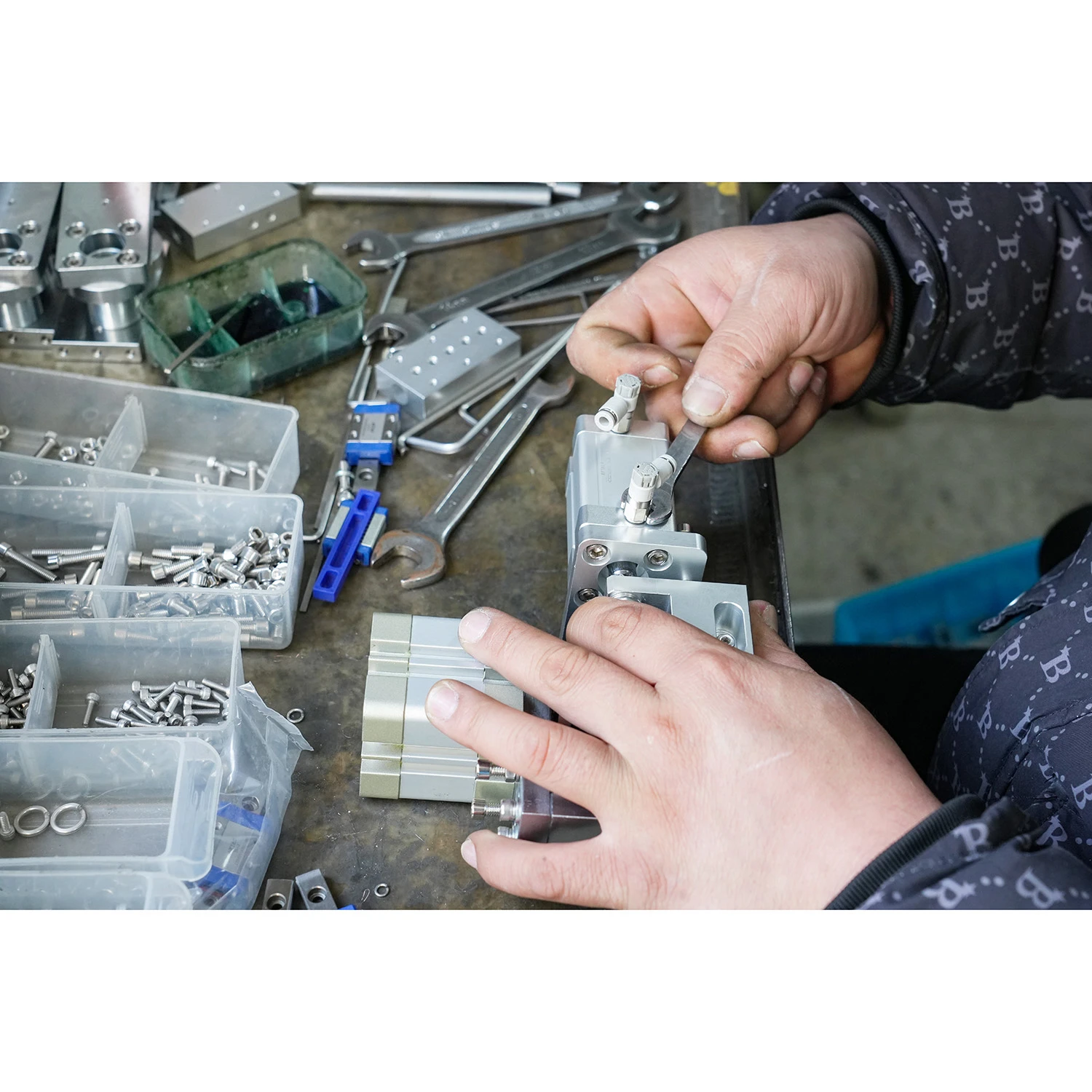
End‑of‑Shift Maintenance Checklist (After Production Completes)
These closing routines keep your Grewin automatic coil winding machine ready for the next production shift, especially important for multi‑shift factories in India.
- Remove leftover wire spools and cut wire pieces from the working area
- Clean work table, wire chute, and surrounding machine surface
- Wipe HMI touch screen with micro‑fiber cloth; never spray liquid directly on control cabinet
- Confirm all moving parts fully stop before lock‑out
- Power‑off spindle drive, air supply, and main power supply following factory safety rules
- Write shift log: unusual noise, tension variation, intermittent alarms, frequent wire breakage, and worn parts
- Use a dust cover if your workshop has heavy dust or high humidity.
Weekly Supplementary Preventive Maintenance Tasks
The daily checklist focuses on quick visual inspection and cleaning. Combine it with weekly deeper maintenance work for the toroidal winding machine, hook‑type winding machine, and parallel winding machine:
- Full lubrication for linear guides, ball screws, and bearing assemblies
- Check drive belt condition and belt tension
- Retighten mounting bolts, fixture screws, and electrical terminal blocks
- Clean cooling fan and filter cotton inside electrical cabinet
- Recalibrate spindle run‑out after heavy‑volume batch production
Common Maintenance Mistakes Indian Winding Plant Should Avoid
- Blowing high‑pressure compressed air directly at servo motors, encoders, and circuit boards
- Skipping shift log records; repeating machine faults without tracking history
- Over‑greasing or over‑oiling every day, generating dust sludge
- Keep running production with known sensor or tension faults just to meet daily production target
- Allow untrained operators to modify servo parameters and encoder offset
Final Words
Long service life and stable performance of your coil winding machine do not rely only on machine build quality. Simple, disciplined daily preventive maintenance delivers the best return on investment for transformer, choke and inductor manufacturers across India and South Asia.
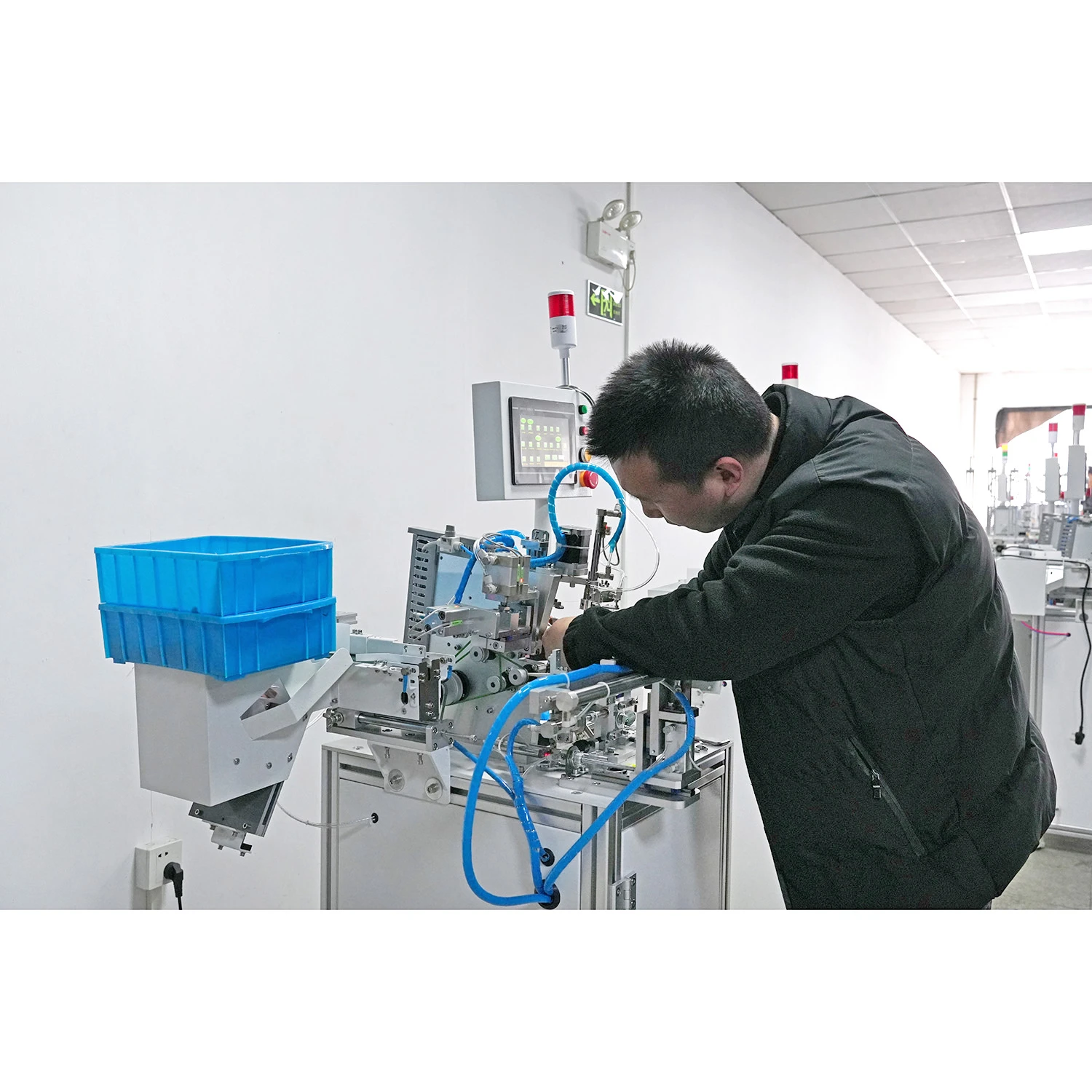
Grewin supplies various winding machines for Indian customers, including GWL series toroidal winding machine, GW‑7004 fully automatic coil winding machine, GWP series parallel winding machine and GWAT‑80HM common‑mode hook‑type winding machine. If you are looking for reliable winding machine solutions, please visit our product pages:
👉 Fully Automatic Winding Machine
Print this checklist and place it beside each winding station, assign clear operator responsibilities, and build shift‑log habits.
You will observe fewer unexpected machine stoppages, a lower coil rejection rate, and better overall production uptime.